
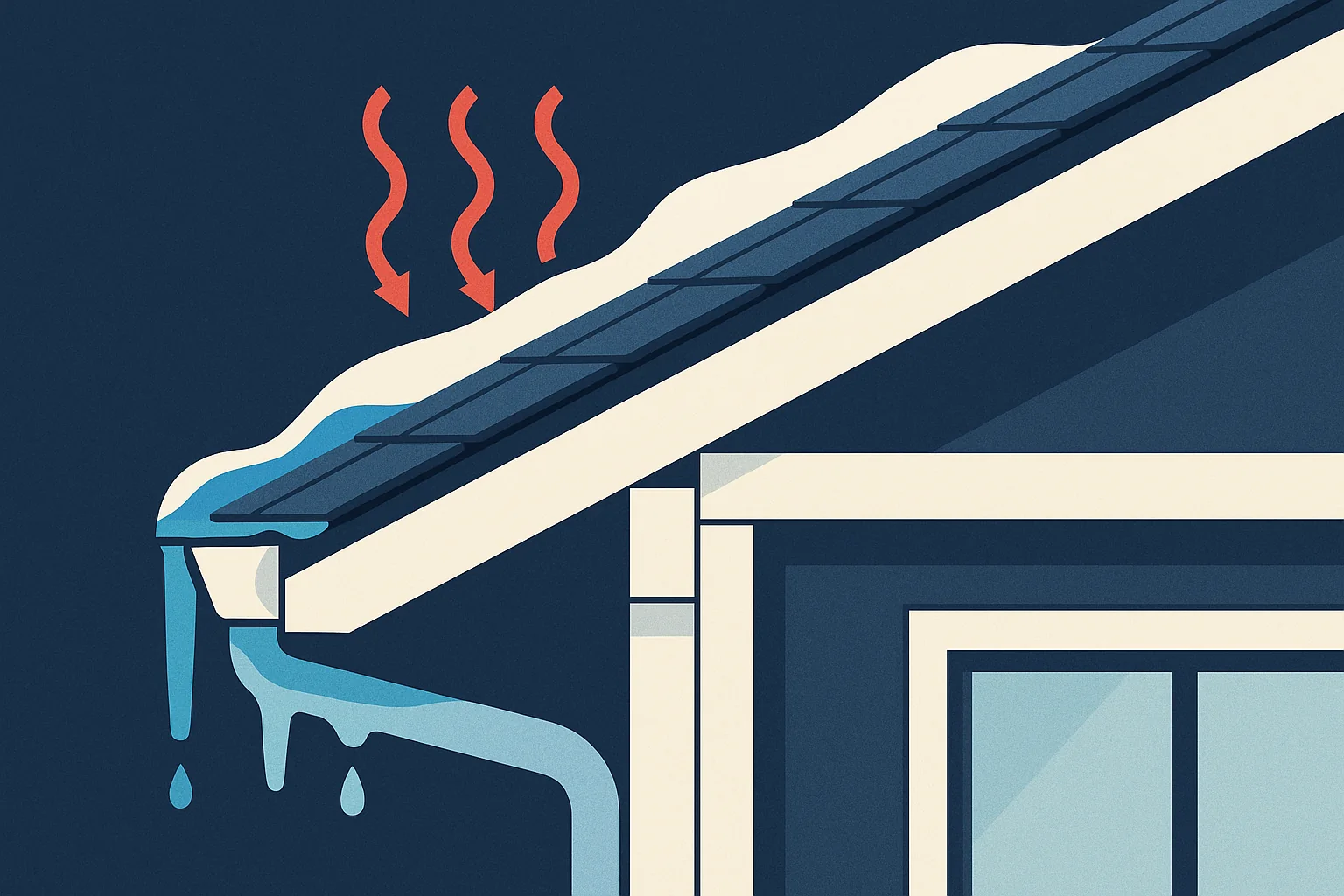

When the first cold snap rolls across Central Ohio, it rarely gives much warning. One week you are running the air conditioner, the next you are reaching for the thermostat and hoping the furnace roars to life on the first try. As a construction manager who has spent years around heating systems, I can tell you that the smart fall furnace prep Central Ohio homeowners rely on is the single best way to avoid a no-heat emergency, a scary safety issue, or a repair bill that lands at the worst possible time. The homeowners who plan ahead in late August and early September sail through winter. The ones who wait end up on a long call-back list in the middle of a freeze.
In This Guide
- Why Early Fall Furnace Prep Central Ohio Homeowners Trust Pays Off
- The Core of a Proper Furnace Inspection
- Carbon Monoxide and Combustion Safety Come First
- Filters, Airflow, and Thermostat Strategy
- Signs Your Furnace Needs Repair or Replacement
- Efficiency Gains That Show Up on Your Bill
- What Goes Wrong and Why
- Option A or Option B: Repair the Furnace You Have or Replace It
- Trusted Furnace Service Across Central Ohio
- Frequently Asked Questions
- Sources
- Related Transit & Flow Services
Why Early Fall Furnace Prep Central Ohio Homeowners Trust Pays Off
Timing is everything. Columbus and its suburbs see furnace demand spike the moment temperatures drop, and by mid-October the best HVAC crews are booked solid. Scheduling your service in late summer means you get priority appointments, calmer scheduling, and time to order any parts before you actually need heat. It also means small problems get caught while they are still cheap to fix. A worn igniter, a clogged filter, or a slightly cracked heat exchanger are all far easier to address in September than during a January outage. Early fall furnace prep Central Ohio families count on is not about being overly cautious. It is about controlling cost, comfort, and safety on your schedule instead of the weather’s.

The Core of a Proper Furnace Inspection
A real furnace inspection goes well beyond swapping a filter. When our technicians open up a system, we are checking the ignition system, the flame sensor, the burners, the blower motor, the electrical connections, and the condition of the heat exchanger. We test the gas pressure, verify safe combustion, and confirm the system cycles on and off cleanly. We also look at the venting and flue to make sure exhaust gases are leaving the home the way they should. A thorough furnace tune up Columbus homeowners schedule typically restores lost efficiency, quiets down odd noises, and reveals wear before it becomes a breakdown. Skipping this step is how a small worn part turns into a major repair.
Carbon Monoxide and Combustion Safety Come First
Nothing about heating matters more than safety. Gas furnaces produce carbon monoxide during normal combustion, and a healthy system vents it safely outside. Trouble starts when a heat exchanger cracks or a flue becomes blocked, because that colorless, odorless gas can then leak into living space. This is why heating system maintenance Ohio homes need should always include a combustion and heat-exchanger check plus a reminder to test every carbon monoxide detector in the home. If your detectors are more than seven years old, replace them. If your furnace ever short-cycles, produces soot, or gives off a strange smell, shut it down and call a professional. We treat every furnace inspection as a safety check first and an efficiency check second, in that order.
Filters, Airflow, and Thermostat Strategy
Airflow is the quiet hero of furnace performance. A dirty filter chokes the system, forces the blower to work harder, and drives up your energy bill while wearing out components early. Here is a simple fall routine that protects both comfort and equipment:
- Replace or clean your furnace filter, then check it monthly through winter.
- Keep supply and return vents clear of furniture, rugs, and boxes.
- Have ductwork inspected for leaks or disconnected runs that waste heat.
- Upgrade to a programmable or smart thermostat and set a lower schedule while you sleep or are away.
- Confirm the thermostat reads accurately and its batteries are fresh.
These small habits add up. Good airflow lets your furnace deliver rated efficiency, and protecting that efficiency is the whole point of fall furnace prep Central Ohio homeowners schedule each year. For more seasonal HVAC advice, our related guides walk through everything from filter selection to whole-home comfort.
Signs Your Furnace Needs Repair or Replacement
Part of preparing for winter is being honest about the age and health of your equipment. Most furnaces last 15 to 20 years, and efficiency drops as they age. Watch for rising energy bills, uneven heating between rooms, frequent cycling, yellow or flickering burner flames, rattling or banging noises, and repairs that keep stacking up. If your system is past 15 years and facing a major repair, replacement often makes more financial sense than another patch. A modern high-efficiency furnace can meaningfully cut heating costs across a Central Ohio winter, and a proper furnace tune up in Columbus properties gives you the data to make that call with confidence rather than guesswork. We give straight answers, not upsells, so you know exactly where your system stands.
Efficiency Gains That Show Up on Your Bill
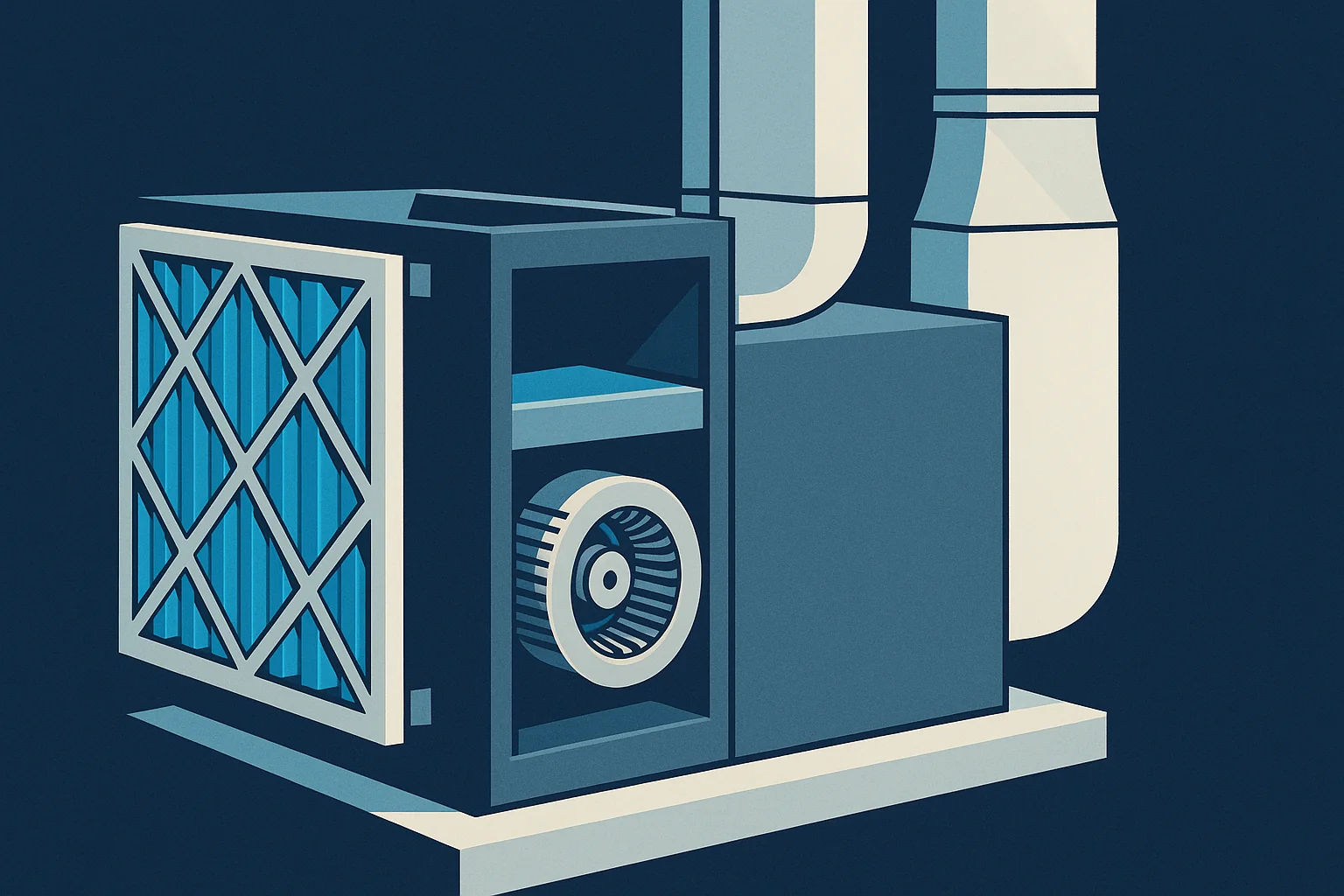
Well-tuned heating equipment simply costs less to run. Clean burners, correct gas pressure, sealed ducts, and a smart thermostat schedule can trim a noticeable slice off winter heating costs. Pair that with basic home sealing around doors, windows, and the attic, and your furnace works less to keep you comfortable. This is where disciplined heating system maintenance in Ohio earns back its cost several times over the course of a season. The payback is real, and it compounds year after year because a maintained furnace also lasts longer and fails less often.
What Goes Wrong and Why
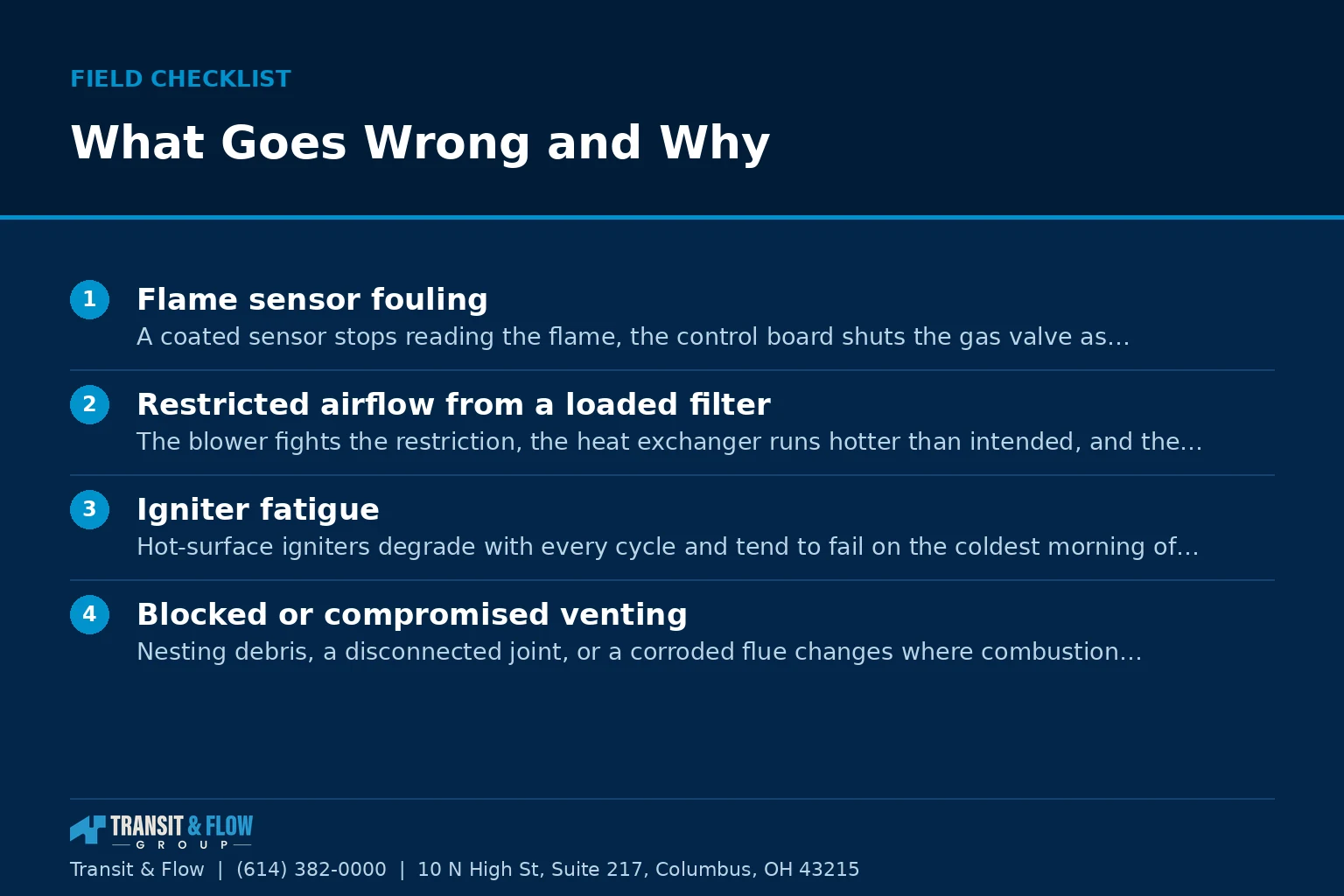
No-heat calls in January are rarely a surprise to the equipment. They are the end of a chain that started with a part quietly out of tolerance months earlier. These are the failures we see most often across Central Ohio.
- Flame sensor fouling. A coated sensor stops reading the flame, the control board shuts the gas valve as designed, and the furnace lights and dies in a loop. The safety logic is working correctly, which is why the symptom looks worse than the cause.
- Restricted airflow from a loaded filter. The blower fights the restriction, the heat exchanger runs hotter than intended, and the high-limit switch cuts the burner. Left alone, that heat cycling is what shortens exchanger life.
- Igniter fatigue. Hot-surface igniters degrade with every cycle and tend to fail on the coldest morning of the year, when cycle counts are highest. Replacement intervals belong to the manufacturer’s published instructions.
- Blocked or compromised venting. Nesting debris, a disconnected joint, or a corroded flue changes where combustion byproducts go. This is a life-safety condition, not a performance complaint, and it belongs to a licensed heating professional.
Option A or Option B: Repair the Furnace You Have or Replace It
Most homeowners face this decision once, under pressure, with a technician standing in the basement. Making it in September instead of January is the entire advantage of early prep.
| Factor | Option A: Repair | Option B: Replace |
|---|---|---|
| Equipment age | Comfortable below the midpoint of the typical 15 to 20 year range | Sensible at or past that midpoint |
| Repair history | First or second service call in the system’s life | Repairs stacking up across consecutive seasons |
| Heat exchanger condition | Sound on inspection | Any documented compromise found by a licensed technician |
| Operating efficiency | Recoverable through tuning, filter and duct work | Structurally limited by the equipment’s original rating |
| Timeline in the home | Short, or a sale expected soon | Long enough to harvest a modern system’s savings |
Our recommendation: repair is the right call whenever the furnace is on the young side of that range, the heat exchanger inspects clean, and the fault is a discrete wear part. Replacement is the right call once age and repair history point the same direction, because every repair then buys a shrinking amount of remaining life. Heat exchanger condition overrides both, and that determination belongs to a licensed heating professional working from the adopted code and the manufacturer’s published instructions.
Trusted Furnace Service Across Central Ohio
Transit & Flow serves homeowners throughout the region, from Columbus and Dublin to Westerville, Hilliard, Gahanna, Grove City, Upper Arlington, Worthington, New Albany, Powell, and Pickerington. Because we are a multi-trade company, one visit can cover your furnace inspection along with any related plumbing or electrical concerns, which means fewer appointments and one accountable partner for your whole home. You can see everywhere we work on our service areas page. That coordination is the difference between a patchwork of vendors and a single team that stands behind the result.
Do not wait for the first freeze to find out whether your furnace is ready. Get ahead of the rush with the fall furnace prep Central Ohio homeowners rely on to keep your family warm, safe, and efficient all winter long. Get an instant estimate right now on the Transit & Flow homepage, or call our team at (614) 382-0000 to schedule your furnace tune-up today. Beat the cold snap, and let us handle the rest.
Transit & Flow Group coordinates projects and partners with properly licensed and insured specialty contractors when licensing is required, and work is performed under the appropriate permits.
Frequently Asked Questions
When should Central Ohio homeowners schedule fall furnace prep?
Late August through September is the practical window. Demand for heating service across Columbus and its suburbs spikes the moment temperatures drop, and by mid-October the better crews are booked out. Scheduling early gives you a calmer appointment, time to order any parts before you actually need heat, and the chance to catch small wear items while they are still routine maintenance rather than a no-heat call in January.
What does a proper furnace inspection actually cover?
It goes well beyond swapping a filter. A technician evaluates the ignition system, the flame sensor, the burners, the blower motor, the electrical connections, and the condition of the heat exchanger, then verifies gas pressure, confirms safe combustion, and watches the system cycle on and off cleanly. Venting and the flue are checked so exhaust gases leave the home the way the equipment was designed to send them. The purpose is to surface wear while it is still a maintenance item.
Why is carbon monoxide the first thing evaluated on a gas furnace?
Gas furnaces produce carbon monoxide as a normal part of combustion, and a healthy system vents it safely outside. A cracked heat exchanger or a blocked flue changes that path, which is why combustion and venting are assessed before efficiency is ever discussed. Carbon monoxide is a health matter, so every detector in the home should be tested and replaced on the schedule in the manufacturer’s published instructions. If a furnace short-cycles, produces soot, or gives off an unusual smell, shut it down and have a licensed heating professional assess it.
How often should the furnace filter be replaced through winter?
Replace or clean it at the start of the heating season, then check it monthly while the system is running. A loaded filter chokes airflow, forces the blower to work harder, raises the energy bill, and wears components early, which makes it the cheapest maintenance available. Follow the filter and equipment manufacturer’s published instructions for the interval and the rating, because both vary by system. Keeping supply and return vents clear of furniture, rugs, and boxes protects the same airflow.
How do I judge whether an aging furnace should be repaired or replaced?
Age and repair history carry most of the weight. Most furnaces last roughly 15 to 20 years and lose efficiency as they age, so a system past the middle of that range facing a major repair is a replacement conversation rather than another patch. Rising energy bills, uneven heating between rooms, frequent cycling, yellow or flickering burner flames, and repairs that keep stacking up are the signals worth tracking. A documented inspection gives you the condition data to make the call with evidence instead of guesswork.
Does a furnace tune-up actually show up on the heating bill?
Well-tuned heating equipment costs less to run, and across a full Central Ohio winter that difference is noticeable. Clean burners, correct gas pressure, sealed ductwork, and a lower thermostat schedule while you sleep or are away all reduce how hard the system has to work. Pair that with basic sealing around doors, windows, and the attic and the effect compounds. Maintenance also extends equipment life and reduces failures, which is the larger part of the return.
Sources
- U.S. Consumer Product Safety Commission, carbon monoxide safety
- ENERGY STAR, heating and cooling guidance
- National Fire Protection Association, home fire safety
Related Transit & Flow Services
Every service below is delivered by the same accountable Transit & Flow team, so one call covers the whole property.
- Heating and Cooling Services
- HVAC Replacement Consultation
- Dryer Vent Service
- Electrical Panel Upgrades
- Preventive Property Maintenance
- Plumbing Services
Serving Columbus and every community across Central Ohio. See the full service areas map, or get an instant estimate on the Transit & Flow homepage.
About This Guide
Written and edited by Micheal Parker, founder of Transit & Flow Group. Published August 7, 2026. This guide is checked against the agency and code sources listed above, and it is revised when those sources change.
General contractor of record. Micheal Parker holds City of Columbus General Contractor Registration G12064, issued by the Columbus Department of Building and Zoning Services under Transit & Flow LLC and valid through June 30, 2027. Trade work that falls outside the scope of that registration is performed by licensed trade partners, and the responsible license holder is identified before work begins.
Transit & Flow Group, home and commercial services for Columbus and the surrounding Central Ohio communities. Phone (614) 382-0000. Email solutions@transitflowgroup.com. 10 N. High St., Suite 217, Columbus, OH 43215. Contact our team or review the communities we serve.
