
Restoration Flooring Removal in Columbus, Ohio
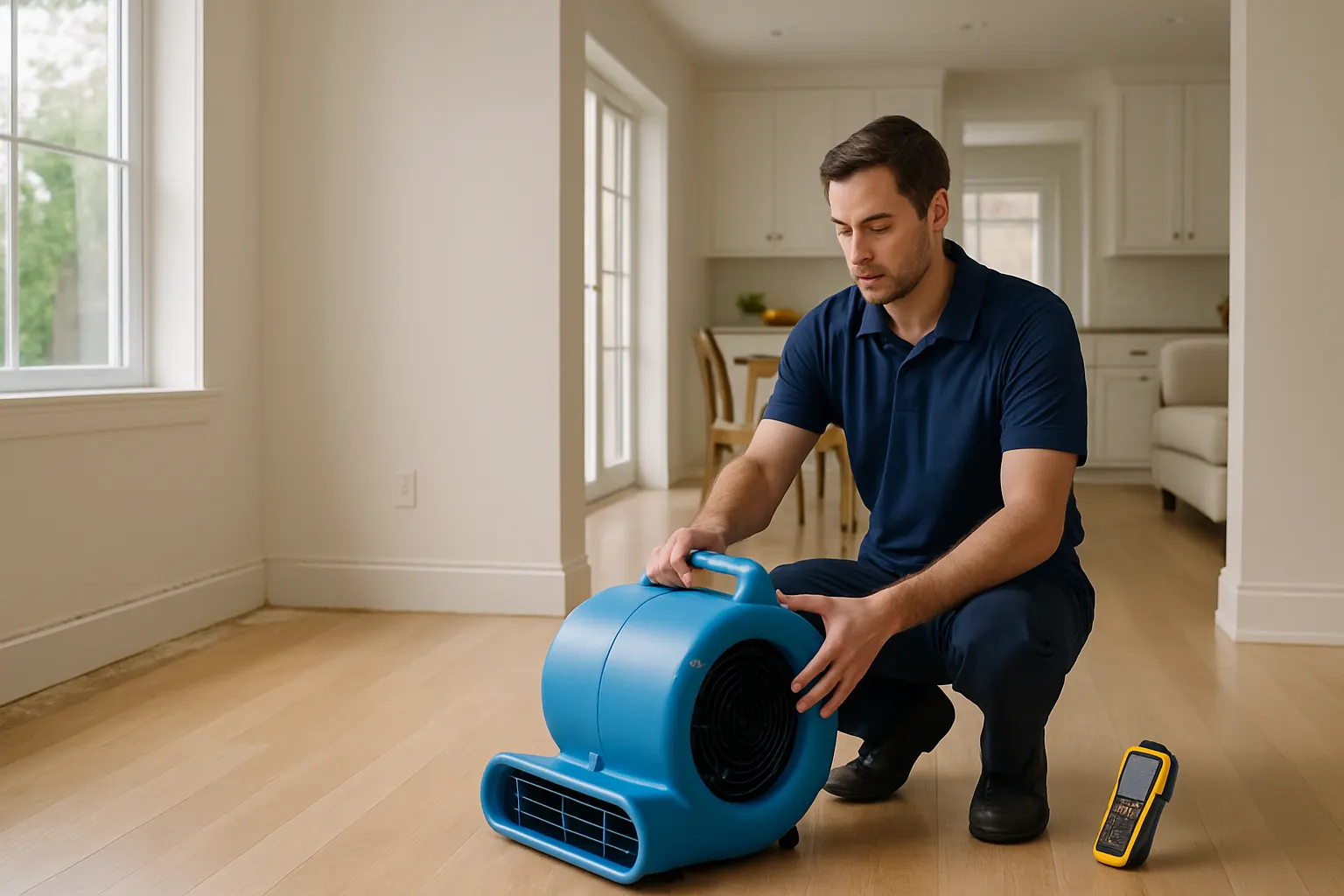
Transit & Flow Group removes water damaged, fire damaged, or smoke damaged flooring as an early mitigation step in an active restoration project. Carpet, vinyl, laminate, tile, and hardwood come out quickly, along with pad, tack strips, and adhesive, so the space can dry, get inspected, and move toward reconstruction. This is urgent, insurance context removal, not a routine flooring swap: it happens because damaged flooring left in place keeps causing damage the longer it sits. Describe what happened and what you’re seeing in the Estimate Builder for a preliminary online estimate.
Transit & Flow Group removes water damaged, fire damaged, or smoke damaged flooring as an early mitigation step in an active restoration project. Carpet, vinyl, laminate, tile, and hardwood come out quickly, along with pad, tack strips, and adhesive, so the space can dry, get inspected, and move toward reconstruction. This is urgent, insurance context removal, not a routine flooring swap: it happens because damaged flooring left in place keeps causing damage the longer it sits. Describe what happened and what you’re seeing in the Estimate Builder for a preliminary online estimate.
Is this what you’re seeing?
- Flooring that’s been sitting in standing water from a burst pipe, appliance failure, sump pump failure, or storm intrusion
- Carpet, pad, or laminate that’s swollen, delaminating, or smells musty after a leak
- Hardwood cupping, buckling, or separating at the seams following a water event
- Flooring near the source of a fire that’s scorched, melted, or compromised by smoke and soot
- A restoration or mitigation plan that calls for flooring removal before drying equipment can go in
- A homeowner or property manager who needs damaged material out fast to limit secondary damage and downtime while a claim is open
How pricing works
Restoration flooring removal is scope based, range pricing, driven by an on-site assessment rather than a phone description, since active damage sites vary too much to price sight unseen:
- Material and installation type. Glued down flooring, tile with mortar, and multi-layer installations take longer to remove than staple down carpet or floating laminate.
- Square footage and number of rooms. Priced by area, with a note for whichever rooms are affected by the event, not the whole home unless the whole home is affected.
- Water category and contamination level. Clean water from a supply line removes differently than gray or black water, which can require more careful handling and disposal.
- Urgency and scheduling. Active mitigation work is typically prioritized ahead of routine scheduling, since delay allows moisture to spread further into subfloor and framing.
- What changes the price on site. Hidden adhesive, additional layers found once removal starts, or subfloor damage discovered underneath. We photograph it, price it, and pause for your decision before continuing. No silent scope growth.
As general market context, not a Transit & Flow Group quote, Angi’s 2026 data puts overall water damage restoration costs at an average of roughly $3,864, with a typical range of $450 to $16,000 depending on severity and water category, and water damaged flooring specifically running about $200 to $3,000 to repair or replace depending on flooring type and how long the water sat before removal. Enter your project details and photos in the Estimate Builder for a preliminary online estimate. Final scope and price subject to verification on site.
What’s included
- Rapid scheduling for active mitigation, coordinated around your restoration timeline
- Removal of damaged flooring material, including pad, tack strips, and trim as needed
- Removal of adhesive, mortar, or underlayment down to a clean subfloor where scoped
- Haul away and disposal of all removed material
- A visual check and moisture reading of the exposed subfloor once old flooring is out
- Photos documenting flooring condition before and after removal, useful for your insurance claim
What’s not included
- New flooring material or installation, quoted separately once the space is dry and ready
- Subfloor repair itself; if removal reveals soft spots, rot, or structural damage, that’s assessed and repaired through our Flooring division’s Subfloor Inspection and Subfloor Repair pages
- Structural drying and dehumidification, which is typically scoped as part of your broader mitigation project alongside our Moisture Assessment page
- Mold testing or remediation; if moisture damage looks severe enough to raise a mold concern, we stop, disclose it plainly, and refer you to a separately qualified mold specialist rather than performing that work ourselves
- Asbestos or lead paint testing and abatement; older vinyl, tile, and adhesive installed before the 1980s in Central Ohio homes can plausibly contain asbestos, and older subfloor coatings can contain lead. If we have reason to suspect either, we stop and refer you to a separately qualified specialist rather than disturbing the material ourselves
- Insurance claim negotiation on your behalf; Transit & Flow Group documents thoroughly but is not a public adjuster
It’s worth being clear about how this differs from our standalone Flooring Removal service in the Flooring division. That page covers planned, non-emergency removal ahead of a new flooring installation, with no active damage or claim involved, scheduled on the homeowner’s own timeline. This page is the opposite: flooring that has to come out now as part of an active restoration event, often on an adjuster’s mitigation clock. If you just have old carpet or tile you want cleared before new flooring goes down, with nothing damaged and no claim in play, the standalone Flooring Removal page is the simpler fit.
Central Ohio’s older housing stock adds a wrinkle. Homes in Clintonville, German Village, Bexley, and Olde Towne East often have several layers of flooring history stacked over original materials, and older vinyl, tile, and adhesive from renovations done before the 1980s can plausibly contain asbestos. We disclose that risk plainly rather than disturbing suspect material ourselves. Central Ohio’s humid summers and freeze thaw winters also mean the clock matters: standing water under carpet or vinyl in a warm, humid house can create mold-friendly conditions within a couple of days, which is why this work is treated as urgent mitigation rather than something to schedule around.
Our process
- Call or describe your situation online. For an active event, call (614) 382-0000. Otherwise, enter details and photos in the Estimate Builder for a preliminary online estimate.
- On-site assessment. We evaluate the affected flooring, water category, and how the removal fits your broader restoration and mitigation timeline.
- Documented removal. Damaged flooring, pad, and adhesive come out, with photos taken before and during for your insurance record. Mold or suspect material found along the way is disclosed immediately.
- Haul away and subfloor check. Removed material is hauled away, and the exposed subfloor is visually checked and moisture tested.
- Handoff. We coordinate next steps with drying, subfloor repair, or reconstruction, whichever your project needs next.
Services completed by appropriately qualified professionals where required.
More Restoration and Emergency Response
- Water Damage Restoration in Gahanna, OH
- Water Damage Restoration in Grove City, OH
- Water Damage Restoration in Hilliard, OH
- Water Damage Restoration in Lewis Center, OH
- Water Damage Restoration in Marysville, OH
- Water Damage Restoration in New Albany, OH
- Water Damage Restoration in Pickerington, OH
- Water Damage Restoration in Powell, OH