
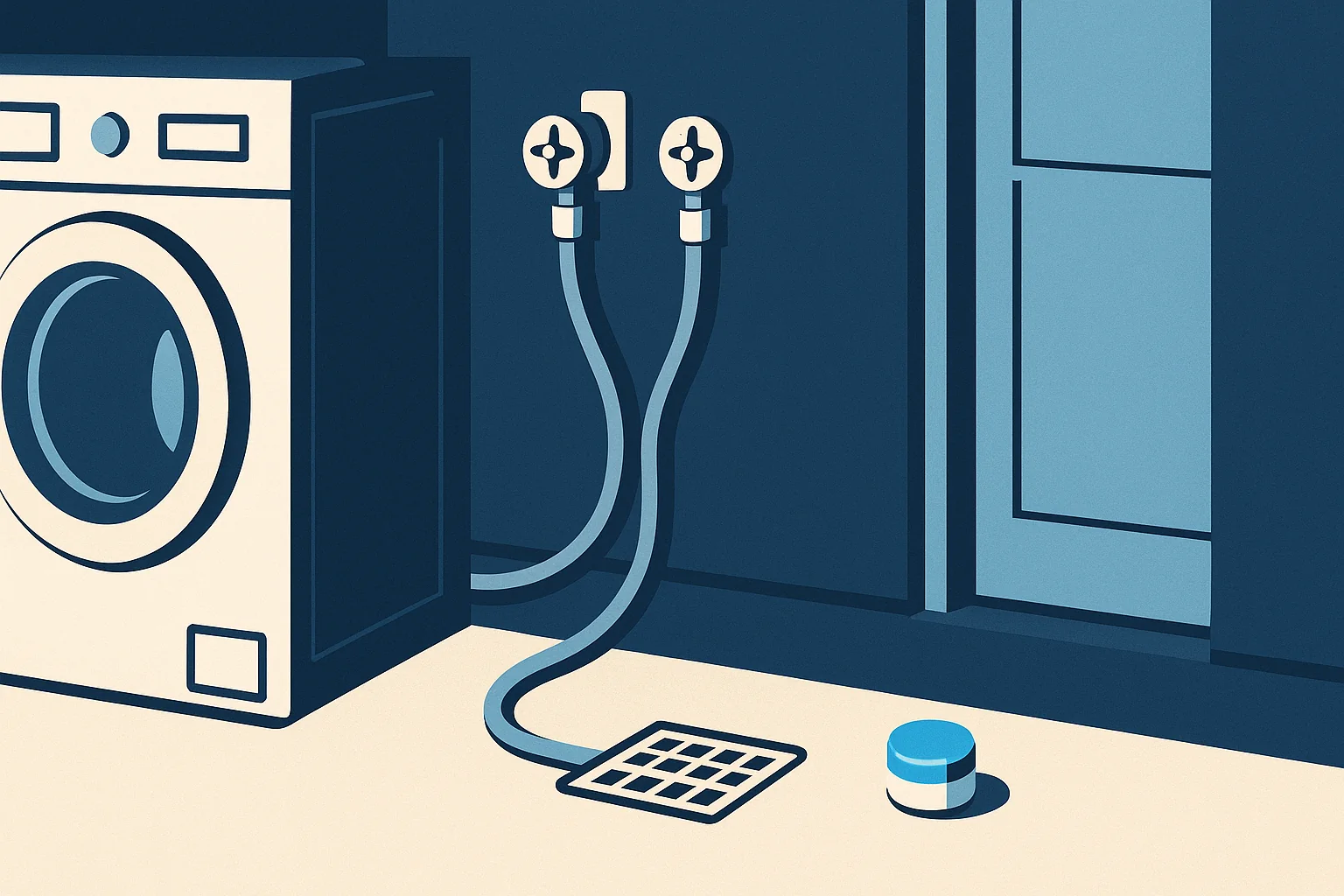

Every property manager knows that summer in Central Ohio brings more than warm weather. It brings heavier water usage, sudden storms, and the kind of small leaks that quietly turn into five-figure repair bills. If you manage single-family rentals or a multifamily portfolio, the smartest way to prevent water damage Central Ohio property managers dread is to get ahead of the season with a disciplined plumbing inspection before peak demand hits. This checklist walks through the risks that matter most and the proactive steps that protect your tenants, your buildings, and your net operating income.
In This Guide
- Why Summer Raises the Water-Damage Stakes
- Build a Summer Plumbing Checklist for Columbus Properties
- Sump Pump Maintenance in Ohio Is Non-Negotiable
- Water Leak Detection: Prevent Water Damage Central Ohio Owners Can Miss
- Water Heaters and Supply Lines: The Usual Culprits
- Know Your Shutoffs Before You Need Them
- Turn a Checklist Into a Program
- What Goes Wrong and Why
- Comparing Summer Water Protection Measures
- Central Ohio Timing Across the Season
- Sources
- Related Transit & Flow Services
- Frequently Asked Questions
Why Summer Raises the Water-Damage Stakes
Summer is deceptively hard on plumbing systems. Occupancy is high, tenants are home more often, irrigation and outdoor spigots run daily, and Central Ohio’s fast-moving thunderstorms can dump inches of rain in an hour. That combination stresses supply lines, drains, and drainage systems all at once. When a sump pump fails during a downpour in Westerville or a supply line lets go in a Dublin duplex, the damage is rarely contained to one unit. Water travels, ruins flooring and drywall, and displaces tenants. A single overlooked fitting can cost far more than a full season of preventive inspections.
Build a Summer Plumbing Checklist for Columbus Properties
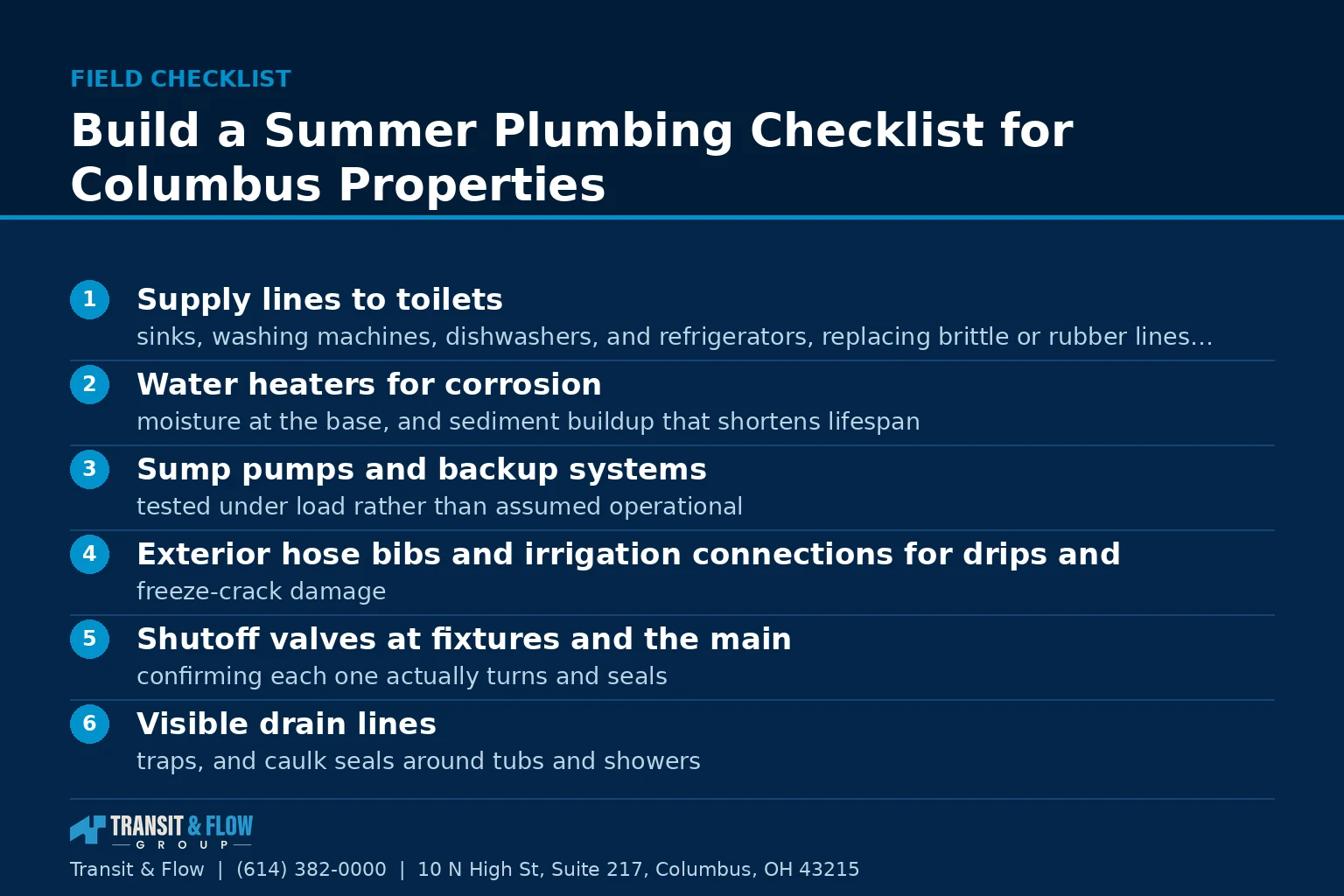
A repeatable summer plumbing checklist for Columbus properties turns reactive scrambling into predictable, budgetable work. At Transit & Flow, we recommend property managers standardize their seasonal walk-through so every unit gets the same attention, whether it sits in Hilliard, Gahanna, or New Albany. The core items to inspect and document each summer include:
- Supply lines to toilets, sinks, washing machines, dishwashers, and refrigerators, replacing brittle or rubber lines with braided stainless steel
- Water heaters for corrosion, moisture at the base, and sediment buildup that shortens lifespan
- Sump pumps and backup systems, tested under load rather than assumed operational
- Exterior hose bibs and irrigation connections for drips and freeze-crack damage
- Shutoff valves at fixtures and the main, confirming each one actually turns and seals
- Visible drain lines, traps, and caulk seals around tubs and showers
Documenting each item with photos gives you a defensible maintenance record and a clear scope when repairs are needed.
Sump Pump Maintenance in Ohio Is Non-Negotiable
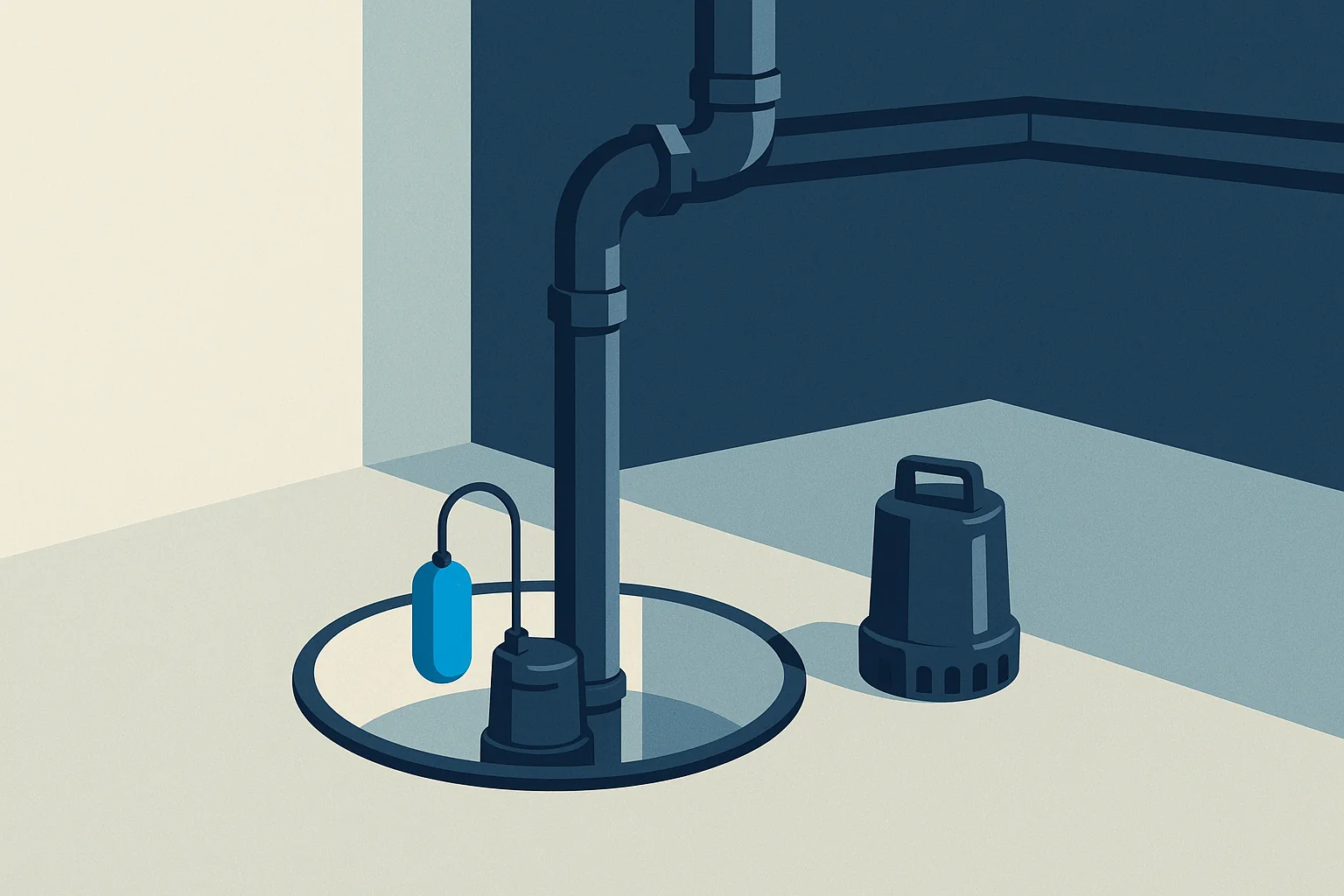
If your properties have basements or below-grade units, sump pump maintenance in Ohio is the single highest-leverage step you can take. A sump pump only earns its keep during the exact storms that overwhelm it, so a unit that has sat idle all spring is the one most likely to fail when the water rises. Test the float switch, pour water into the pit to confirm the pump cycles, clean the intake screen, and verify the discharge line carries water well away from the foundation. Battery backup or water-powered backup systems matter in Central Ohio, where storms and power outages often arrive together. A failed pump during a July storm in Grove City or Pickerington can flood a finished basement in under an hour.
Water Leak Detection: Prevent Water Damage Central Ohio Owners Can Miss
The leaks that destroy budgets are usually the ones no one sees. Water leak detection is about catching the slow drip behind a wall or the hairline crack in a water heater tank before it becomes a claim. Watch for unexplained jumps in water bills across a portfolio, musty odors, warm spots on floors above slab lines, and staining on ceilings or baseboards. Smart leak sensors placed near water heaters, laundry hookups, and under-sink cabinets can alert your team the moment moisture appears, and automatic shutoff valves can stop a catastrophic supply-line failure while a unit is vacant. For multifamily owners, this technology pays for itself the first time it prevents a leak from cascading through several units.
Water Heaters and Supply Lines: The Usual Culprits
When we respond to summer water emergencies across Upper Arlington, Worthington, and Powell, two culprits dominate: aging water heaters and failed supply lines. Most tank water heaters last eight to twelve years, and a unit past that window is living on borrowed time. Look for rust at the base, moisture on the connections, and a temperature-pressure relief valve that has never been tested. Braided supply lines to appliances and fixtures are inexpensive insurance, yet they are routinely ignored until one bursts behind a washing machine on a Saturday. Replacing these proactively during a scheduled visit costs a fraction of the emergency cleanup, tenant displacement, and insurance deductible that a failure triggers.
Know Your Shutoffs Before You Need Them
When water is actively flowing where it should not be, minutes decide the size of the loss. Every property manager and, ideally, every tenant should know exactly where the main shutoff valve is and how to operate it. As part of a proactive inspection, confirm that individual fixture stops and the main valve turn freely and seal completely, because valves that have not moved in years often seize or drip when finally used. Label the main clearly, include shutoff locations in tenant welcome packets, and keep the information on file for your maintenance team. This small step is one of the most effective ways to prevent water damage Central Ohio buildings suffer when a manageable incident becomes a total loss.

Turn a Checklist Into a Program
One inspection is helpful. A standing program is transformative. Coordinating plumbing checks alongside your HVAC and electrical maintenance under a single accountable partner means fewer vendors, one point of contact, and consistent documentation across every property you manage. Transit & Flow serves property managers throughout Central Ohio with the operational discipline that protects tenants and net operating income at the same time. For more seasonal maintenance guidance, explore our related guides, and confirm coverage for your buildings on our service areas page.
Do not wait for a storm or a burst supply line to test your plumbing. Get ahead of peak season and prevent water damage Central Ohio properties face with a proactive inspection from a partner who treats your portfolio like an asset worth protecting. Get an instant estimate on the Transit & Flow homepage or call us at 614.382.0000 to schedule your summer plumbing checklist today.
What Goes Wrong and Why
Summer water losses rarely begin with a dramatic failure. They begin with a component that was already marginal in April and a stretch of demand it was never going to survive.
- Rubber supply lines past their service life. The material stiffens, the crimp loses its grip, and the line lets go under ordinary pressure, often while the unit is empty. Braided stainless replacements installed to the manufacturer’s published instructions remove the most common single point of failure in a rental unit.
- Sump pumps never tested under load. A pump that hums when it is plugged in has proven nothing. The float, the check valve, and the discharge path all have to work together during the storm that matters.
- Valves that have not moved in years. Packing dries out and stems seize, so the shutoff everyone was counting on becomes the reason a manageable leak ran for an hour.
Comparing Summer Water Protection Measures
Not every protective measure earns a place in every unit. Use the comparison below to decide where each one belongs.
| Measure | Failure It Addresses | Best Placement | How It Gets Verified |
|---|---|---|---|
| Braided stainless supply lines | Burst appliance and fixture connections | Toilets, sinks, washers, dishwashers, ice makers | Visual check at turnover and at the seasonal walk-through |
| Point leak sensors | Slow drips discovered far too late | Water heater pans, laundry hookups, under-sink cabinets | Battery and connectivity test each season |
| Automatic shutoff valve | Supply failure in a vacant or unattended unit | Units with a loss history or long vacancy periods | The manufacturer’s published test procedure |
| Sump pump backup system | Storm arriving with a power outage | Any basement or below-grade unit | Load test with water in the pit, documented |
| Labeled main shutoff | Slow tenant and staff response | Every building in the portfolio | Confirm the valve turns and seals during inspection |
Central Ohio Timing Across the Season
Central Ohio gives you a usable calendar. Late spring is when hose bibs reveal freeze damage from the winter just past, and it is the last quiet window before irrigation load climbs. Early summer is the right time for sump pump load testing, because the storm season here front-loads into late spring. Midsummer is when water heaters show their age under sustained demand. Late summer is the moment to close out deferred items before heating season work claims your vendors’ calendars.
Sources
- U.S. Environmental Protection Agency, WaterSense, household leak detection
- U.S. Environmental Protection Agency, mold and moisture guidance
- Ready.gov, U.S. Department of Homeland Security, severe weather preparedness
Related Transit & Flow Services
Every service below is delivered by the same accountable Transit & Flow team, so one call covers the whole property.
- Restoration and Emergency Response
- Water Damage Restoration
- Mold Remediation
- Basement Waterproofing
- Sump, Sewage, and Water Management
- Leak Detection
For hands-on plumbing service in Columbus, our specialist division Transit & Flow Plumbing & HVAC handles sump pumps, leak repair, and sewer line service with same-day response.
Serving Columbus and every community across Central Ohio. See the full service areas map, or get an instant estimate on the Transit & Flow homepage.
Transit & Flow Group coordinates projects and partners with properly licensed and insured specialty contractors when licensing is required, and work is performed under the appropriate permits.
Frequently Asked Questions
When should a summer plumbing inspection happen on a Central Ohio property?
Before peak season rather than during it. Summer brings higher occupancy, daily irrigation and hose bib use, and fast moving thunderstorms that stress supply lines, drains, and drainage systems at the same time. Scheduling the walk through ahead of that demand turns reactive scrambling into planned, budgetable work. It also leaves time to replace brittle supply lines and confirm backup systems while the weather is still cooperating.
What belongs on a summer plumbing checklist for a rental portfolio?
The core items are supply lines to toilets, sinks, washing machines, dishwashers, and refrigerators, water heaters checked for corrosion, moisture at the base, and sediment buildup, sump pumps and their backup systems, exterior hose bibs and irrigation connections, shutoff valves at the fixtures and at the main, and visible drain lines, traps, and caulk seals around tubs and showers. Standardizing that list means every unit gets the same attention whether it sits in Hilliard, Gahanna, or New Albany. Photographing each item as you go produces a defensible maintenance record and a clear scope when repairs are needed.
How should a sump pump be tested rather than assumed operational?
Test the float switch, pour water into the pit to confirm the pump cycles, clean the intake screen, and verify that the discharge line carries water well away from the foundation. A pump that has sat idle all spring is the one most likely to fail during the storm that finally calls on it. Battery backup or water powered backup systems matter in Central Ohio, where storms and power outages often arrive together. If anything about the pump, the pit, or the discharge looks wrong, have it evaluated by a qualified plumbing contractor rather than left for the next downpour.
What are the early signs of a leak nobody has seen yet?
Unexplained jumps in water bills across a portfolio, musty odors, warm spots on floors above slab lines, and staining on ceilings or baseboards are the usual tells. Smart leak sensors placed near water heaters, laundry hookups, and under sink cabinets can flag moisture the moment it appears, and automatic shutoff valves can stop a supply line failure while a unit is vacant. For multifamily owners the value shows up the first time a leak is caught before it cascades through several units. Anything that suggests water has been sitting inside a wall or floor assembly should be assessed by a qualified professional.
How long does a tank water heater usually last?
Most tank water heaters last roughly eight to twelve years, and a unit past that window is living on borrowed time. Rust at the base, moisture on the connections, and a temperature and pressure relief valve that has never been tested are the conditions worth documenting during an inspection. Whether a specific unit should be replaced is a judgment for a licensed plumbing contractor who can see the heater and its installation. The purpose of the seasonal check is to surface the condition early instead of discovering it during a failure.
Why do shutoff valves deserve their own line on the checklist?
When water is actively flowing where it should not be, minutes decide the size of the loss. Valves that have not moved in years frequently seize or drip when they are finally needed, so confirming that individual fixture stops and the main valve turn freely and seal completely is part of a proactive inspection. Label the main clearly, include shutoff locations in tenant welcome packets, and keep the information on file for the maintenance team. That one step is among the most effective ways to keep a manageable incident from becoming a total loss.
About This Guide
Written and edited by Micheal Parker, founder of Transit & Flow Group. Published July 27, 2026. This guide is checked against the agency and code sources listed above, and it is revised when those sources change.
General contractor of record. Micheal Parker holds City of Columbus General Contractor Registration G12064, issued by the Columbus Department of Building and Zoning Services under Transit & Flow LLC and valid through June 30, 2027. Trade work that falls outside the scope of that registration is performed by licensed trade partners, and the responsible license holder is identified before work begins.
Transit & Flow Group, home and commercial services for Columbus and the surrounding Central Ohio communities. Phone (614) 382-0000. Email solutions@transitflowgroup.com. 10 N. High St., Suite 217, Columbus, OH 43215. Contact our team or review the communities we serve.
