
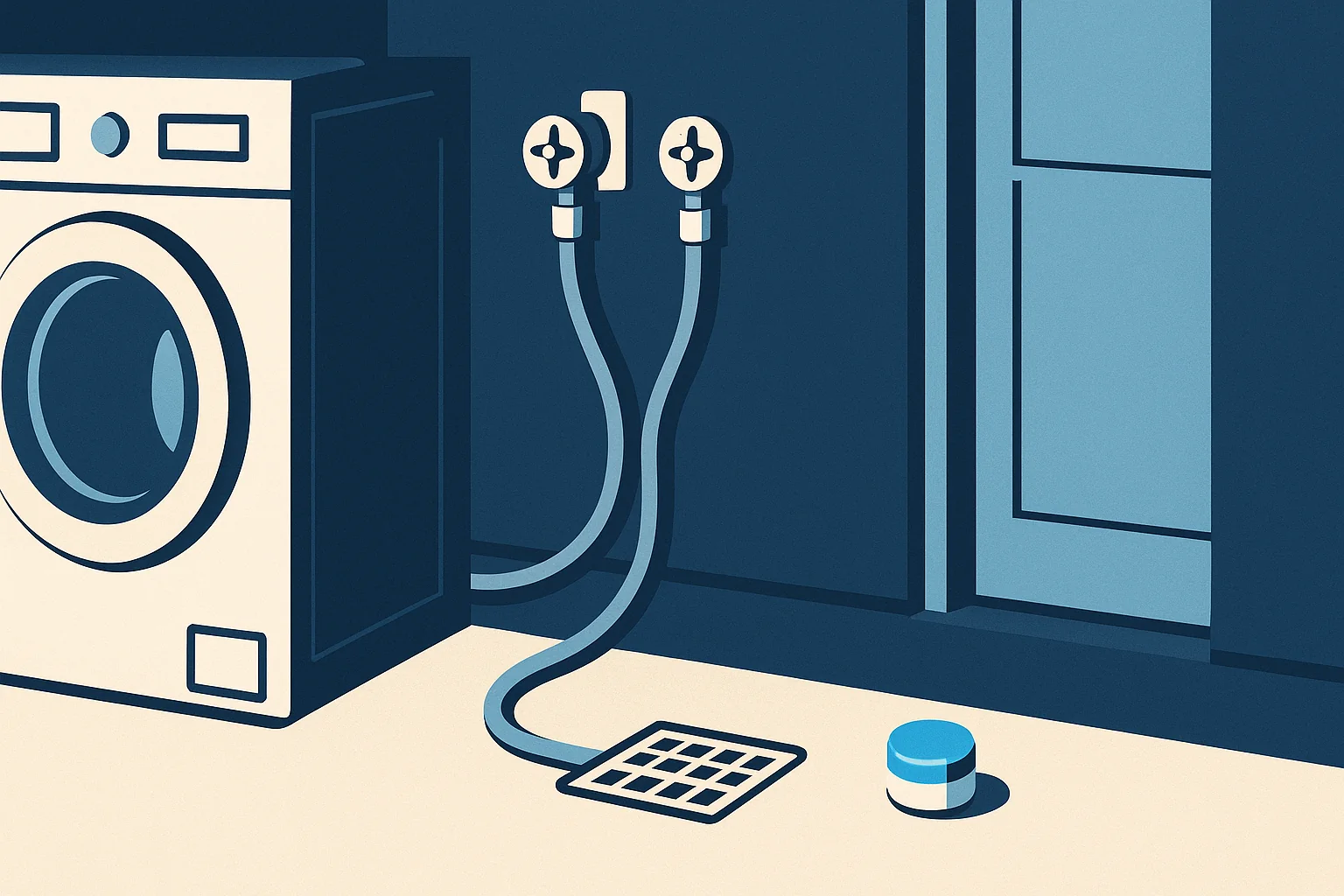

When Central Ohio summers hit their stride, your home’s systems work harder than at any other time of year. Air conditioners run for hours at a stretch, plumbing fixtures see peak demand, and electrical panels carry heavier loads. A little planning now prevents the mid-July breakdown that leaves your family sweltering while you wait for an emergency call. At Transit & Flow, we service HVAC, plumbing, and electrical systems across Columbus and the surrounding communities, and this is the exact readiness checklist our technicians recommend before the heat peaks.
In This Guide
- Why summer readiness matters in Central Ohio
- 1. Get your air conditioning system inspected
- 2. Protect your plumbing before peak demand
- 3. Have your electrical panel and load evaluated
- 4. Seal, insulate, and cut your cooling costs
- 5. Schedule maintenance before you need a repair
- What Goes Wrong in a Central Ohio Summer, and Why
- A Central Ohio Timing Sequence
- What to Verify Before the First Sustained Heat
- Your Central Ohio home services partner
- Frequently Asked Questions
- Sources
- Related Transit & Flow Services
Why summer readiness matters in Central Ohio
Columbus routinely sees stretches of 90-degree days paired with high humidity. That combination pushes cooling systems to their limits and exposes small maintenance issues you would never notice in spring. The homeowners who avoid emergency repairs are almost always the ones who addressed the warning signs early. Proactive maintenance also protects efficiency, and an efficient system directly lowers the energy bills that spike every summer.
1. Get your air conditioning system inspected
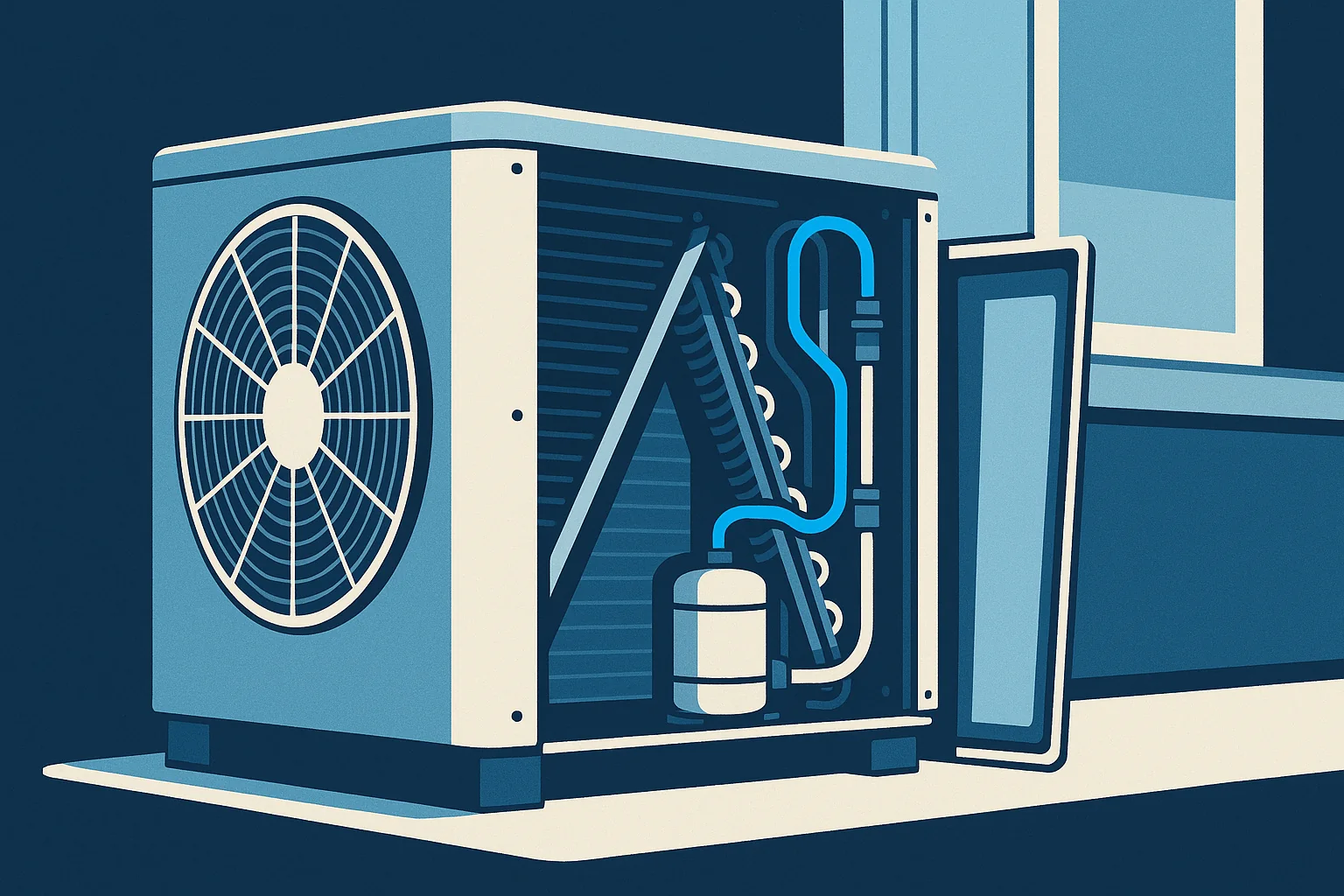
Your cooling system is the hardest-working appliance in your home during an Ohio summer. Before the peak, replace or clean the air filter, clear debris from around the outdoor condenser, and confirm the system is reaching its set temperature without short cycling. A professional tune-up checks refrigerant levels, electrical connections, and the condensate drain, all of which fail quietly until the day the system stops cooling entirely. If your unit is more than ten years old or struggling to keep up, a seasonal inspection is the difference between a planned upgrade and an emergency replacement.
2. Protect your plumbing before peak demand
Summer brings more guests, more laundry, and heavier water use. Check under sinks and around water heaters for slow leaks, test your sump pump before storm season, and watch for low water pressure that can signal a developing problem. Outdoor hose bibs and irrigation lines deserve a look too, since a hidden leak can quietly inflate your water bill for months. Addressing these now keeps small drips from becoming water damage.
3. Have your electrical panel and load evaluated
Cooling equipment, pool pumps, and additional appliances all draw power at once during summer. An older or undersized electrical panel can struggle under that load, leading to tripped breakers or, worse, safety hazards. If your breakers trip regularly, your lights dim when the AC starts, or your home still runs on a panel from decades ago, a professional evaluation is worth scheduling before demand peaks. Modern panels and surge protection also guard sensitive electronics against the storms that roll through Central Ohio all summer.
4. Seal, insulate, and cut your cooling costs
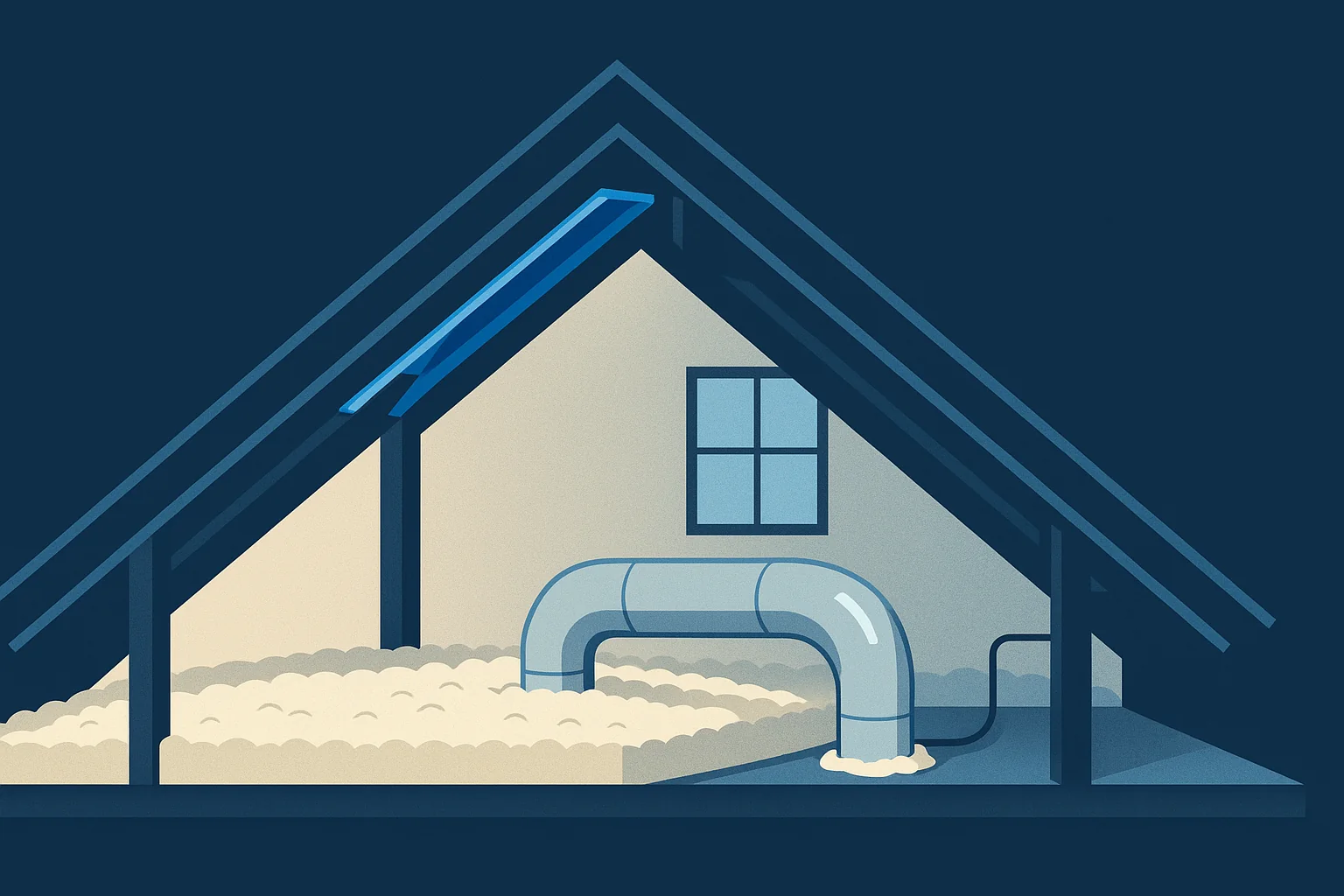
Even a perfectly maintained air conditioner wastes money if cool air escapes through gaps and poor insulation. Seal leaks around windows and doors, confirm your attic insulation is adequate, and consider a programmable or smart thermostat to avoid cooling an empty house. These upgrades pay for themselves through lower monthly bills and take pressure off your equipment so it lasts longer.
5. Schedule maintenance before you need a repair
The single most reliable way to avoid a summer emergency is to book seasonal maintenance early. Technicians catch worn parts, low refrigerant, and electrical faults while they are still minor. Waiting until something fails means competing for appointments during the busiest weeks of the year, often at emergency rates. A short seasonal visit now protects your comfort, your budget, and your peace of mind.
What Goes Wrong in a Central Ohio Summer, and Why
The failures that strand a household in the middle of July are almost never sudden. They are small conditions that passed unnoticed through a mild spring and then met a week of sustained load. Understanding that pattern is what makes a readiness checklist worth the hour it takes.
Condensate drainage is the most common example. A cooling system pulls humidity out of the air all season, and that water has to leave the house through a drain line. When the line restricts, the system either shuts down on a safety switch or spills water where it does not belong. Nothing about the equipment changed. The load did.
Restricted airflow follows the same logic. A filter that looked acceptable in April becomes a real restriction after eight weeks of near-continuous running, and a condenser packed with grass clippings and cottonwood cannot shed heat into outdoor air that is already hot. The equipment answers by running longer, which raises electrical draw during exactly the hours your panel is busiest.
Storms compound all of it. Central Ohio summers deliver fast-moving cells that bring power interruptions, voltage irregularities, and heavy short-duration rain. Those events find the weak points that were already there: the sump pump nobody tested, the surge protection nobody evaluated, the grading that sends water back toward the foundation. Treat the storm as the test and do the checking before it arrives.
A Central Ohio Timing Sequence
Readiness work is easier and cheaper when it is scheduled against the season rather than against a failure. Central Ohio gives you a fairly predictable calendar, and the table below is how our technicians think about sequencing a homeowner’s year.
| Window | Primary focus | Why the timing works |
|---|---|---|
| Late March into April | Cooling system tune-up and filter change | Mild weather means the system can be taken down for service without leaving anyone uncomfortable, and technician availability is at its widest. |
| May | Condenser clearing, condensate path, thermostat programming | Spring growth and cottonwood have finished the worst of their work, so clearing done now holds through the season. |
| Early June | Electrical load review and surge protection | Pool pumps, window units, and dehumidifiers all come online at once, which is when an undersized panel shows itself. |
| Mid June through August | Sump pump testing, storm readiness, envelope leaks | Storm season overlaps peak cooling demand, so water management and cooling load stress the house together. |
| Late August into September | Post-season inspection and heating handoff | Problems that appeared under peak load are still fresh and can be corrected before the equipment switches to heating. |
What to Verify Before the First Sustained Heat
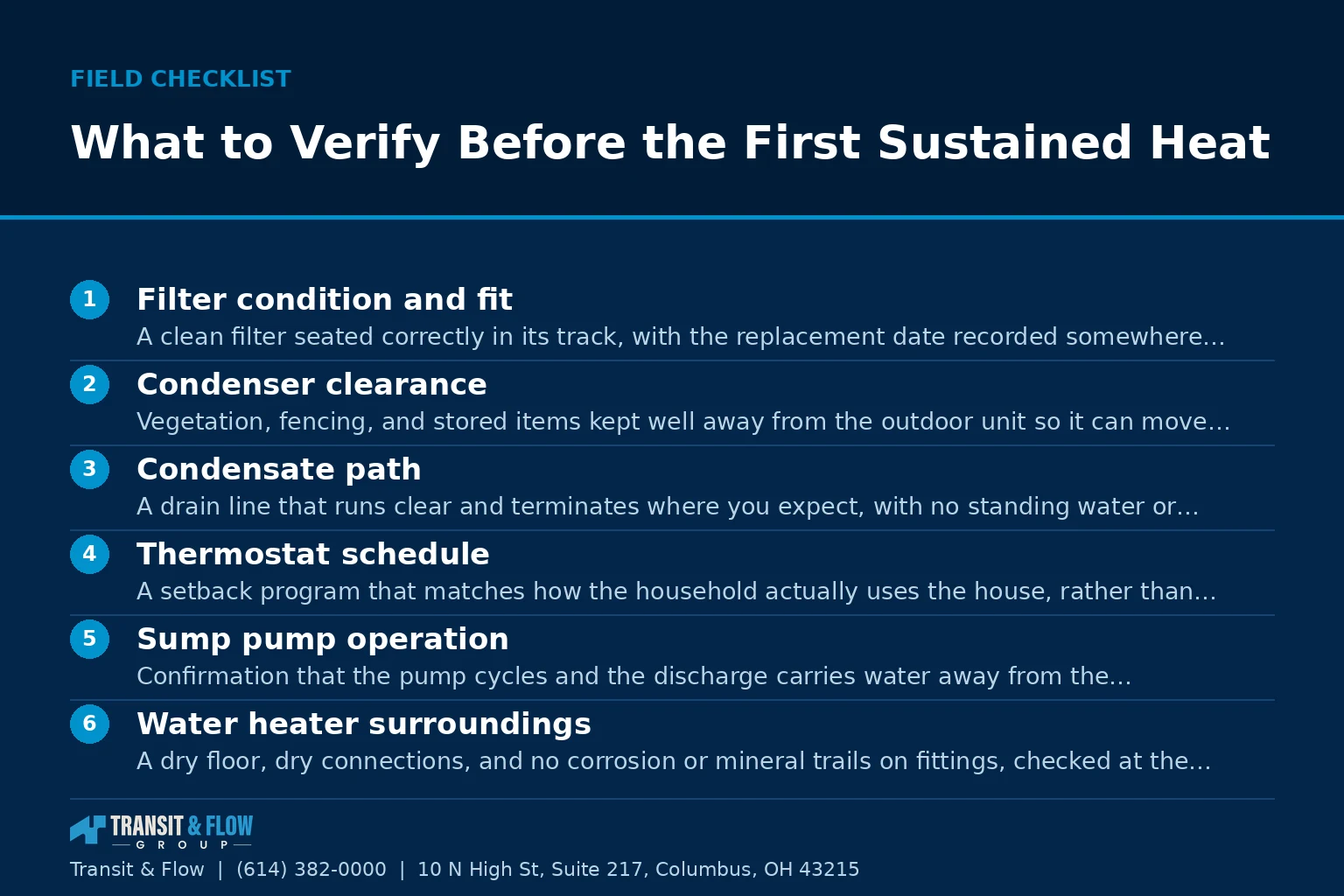
Walk the house once with this list. Most of it is observation, and the items that turn up something are the ones worth handing to a professional rather than acting on yourself.
- Filter condition and fit. A clean filter seated correctly in its track, with the replacement date recorded somewhere you will actually find it again.
- Condenser clearance. Vegetation, fencing, and stored items kept well away from the outdoor unit so it can move air freely on the hottest afternoons.
- Condensate path. A drain line that runs clear and terminates where you expect, with no standing water or staining near the indoor equipment.
- Thermostat schedule. A setback program that matches how the household actually uses the house, rather than the default schedule the device shipped with.
- Sump pump operation. Confirmation that the pump cycles and the discharge carries water away from the foundation, verified before storm season rather than during it.
- Water heater surroundings. A dry floor, dry connections, and no corrosion or mineral trails on fittings, checked at the same visit as everything else.
- Hose bibs and irrigation lines. Exterior fixtures that hold pressure without weeping, since an outdoor leak can run for months without leaving evidence indoors.
- Breaker behavior. A record of which circuits trip and under what conditions, which is information for a licensed electrician rather than a problem to solve at the panel yourself.
- Envelope and attic condition. Visible gaps at windows and doors, and attic insulation that has not settled or been displaced, both of which drive cooling load.
- Service records. Dates and findings from prior visits, kept together, so a technician arriving in August is not starting from nothing.
Anything on that list involving the electrical panel, refrigerant, or combustion equipment is an evaluation item, not a repair project. The adopted code and the manufacturer’s published instructions govern that work, and the determination belongs to a licensed professional or the building department, not to a checklist.
Your Central Ohio home services partner
Transit & Flow brings HVAC, plumbing, and electrical expertise under one roof, so you have a single trusted partner for every system in your home. Our licensed trade partners serve Columbus, Dublin, Westerville, Hilliard, Grove City, Gahanna, and communities across Central Ohio with transparent pricing and workmanship built for the long term. Get an instant estimate on our homepage in under a minute, or reach out to schedule your summer readiness inspection today. Beat the heat before it beats your equipment.
Transit & Flow Group coordinates projects and partners with properly licensed and insured specialty contractors when licensing is required, and work is performed under the appropriate permits.
Frequently Asked Questions
When should a Central Ohio homeowner schedule the summer air conditioning inspection?
Before the first sustained stretch of 90-degree weather, not during it. Cooling systems fail on the days they are working hardest, which is also when appointment availability is thinnest and emergency scheduling is most expensive. Booking the visit early means a technician can find worn parts, low refrigerant, and loose electrical connections while they are still minor. It also leaves room to plan a replacement rather than react to one if the equipment is near the end of its service life.
What summer symptoms suggest the electrical panel should be evaluated?
Breakers that trip regularly, lights that dim when the air conditioner starts, and a panel that dates back several decades are all reasons to have the system evaluated rather than assumptions to act on yourself. Cooling equipment, pool pumps, and extra appliances draw at the same time in summer, and an older or undersized panel can struggle under that combined load. A licensed electrician should assess the panel and the load, and any panel work is governed by the adopted electrical code and requires the appropriate permit. Do not attempt to diagnose or modify a panel yourself.
Does plumbing really need attention in summer, or is that a winter concern?
Summer is a peak demand season for plumbing, not a quiet one. More guests, more laundry, and heavier overall water use expose slow leaks under sinks and around water heaters that would go unnoticed the rest of the year. Outdoor hose bibs and irrigation lines are worth checking too, because a hidden leak there can inflate a water bill for months before anyone sees evidence indoors. Storm season also makes it the right time to test the sump pump, since that is the component you find out about only when it is already needed.
Why does a well-maintained air conditioner still struggle to keep the house cool?
Often the equipment is fine and the building envelope is the constraint. Cool air escaping through gaps around windows and doors, or an attic with inadequate insulation, forces the system to run longer to reach the same setpoint. Sealing those leaks and confirming insulation levels reduces the load on the equipment, which both improves comfort and extends the life of the system. A programmable or smart thermostat helps as well, mainly by not cooling an empty house.
What is short cycling, and is it something to worry about?
Short cycling is when the system turns on and off in rapid succession instead of running a full cycle to reach the set temperature. It is a symptom worth reporting to a technician rather than something to interpret on your own, because several unrelated conditions can produce the same behavior. Note when it happens and what the thermostat is set to, then have the system evaluated. Continuing to run equipment that is short cycling adds wear without delivering the cooling you are paying for.
Is there an advantage to using one company for HVAC, plumbing, and electrical?
The practical advantage is accountability. When a summer readiness visit touches the cooling system, the panel, and the water heater, having one accountable team means no one is negotiating between separate contractors over what caused what. Transit & Flow coordinates HVAC, plumbing, and electrical work across Columbus, Dublin, Westerville, Hilliard, Grove City, Gahanna, and the surrounding communities, partnering with properly licensed specialty contractors where licensing is required. For a homeowner, that turns several scheduling conversations into one.
Sources
- U.S. Department of Energy, Energy Saver, home cooling systems
- National Weather Service, heat safety
- ENERGY STAR, heating and cooling guidance
Related Transit & Flow Services
Every service below is delivered by the same accountable Transit & Flow team, so one call covers the whole property.
Serving Columbus and every community across Central Ohio. See the full service areas map, or get an instant estimate on the Transit & Flow homepage.
About This Guide
Written and edited by Micheal Parker, founder of Transit & Flow Group. Published July 15, 2026. This guide is checked against the agency and code sources listed above, and it is revised when those sources change.
General contractor of record. Micheal Parker holds City of Columbus General Contractor Registration G12064, issued by the Columbus Department of Building and Zoning Services under Transit & Flow LLC and valid through June 30, 2027. Trade work that falls outside the scope of that registration is performed by licensed trade partners, and the responsible license holder is identified before work begins.
Transit & Flow Group, home and commercial services for Columbus and the surrounding Central Ohio communities. Phone (614) 382-0000. Email solutions@transitflowgroup.com. 10 N. High St., Suite 217, Columbus, OH 43215. Contact our team or review the communities we serve.
