

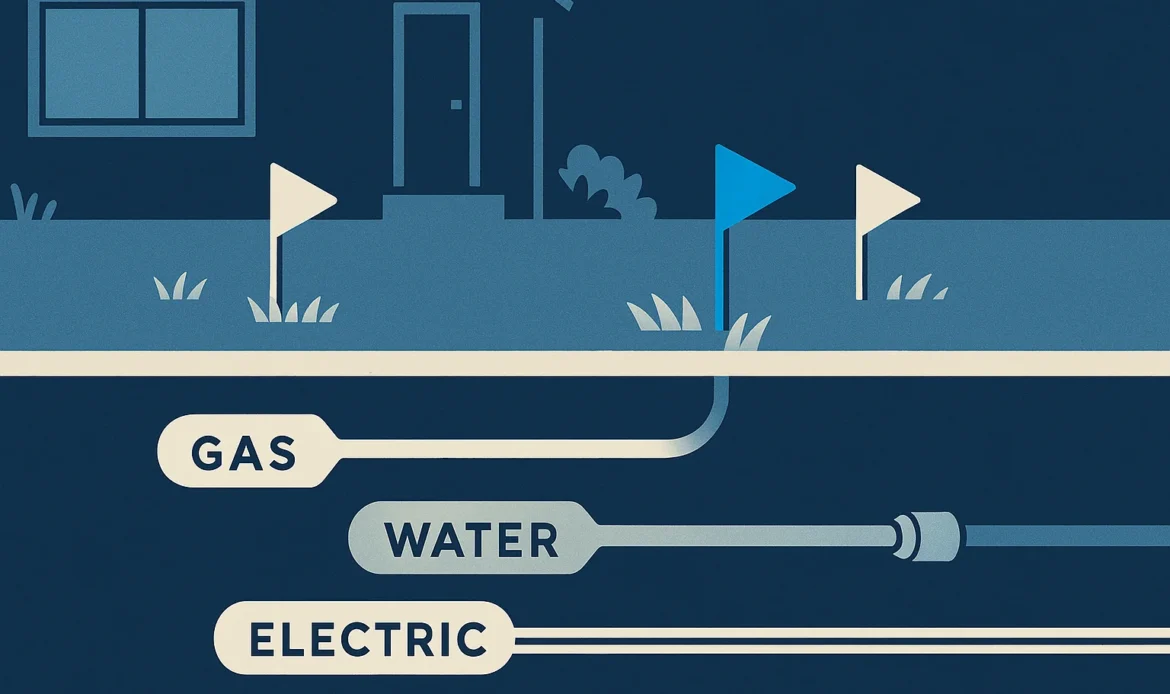
What Ohio Revised Code 3781.28 requires before excavation, how the notification process works, what the paint colors mean, and what a locate does not cover.
What a Sewer Camera Inspection Shows and When to Get One
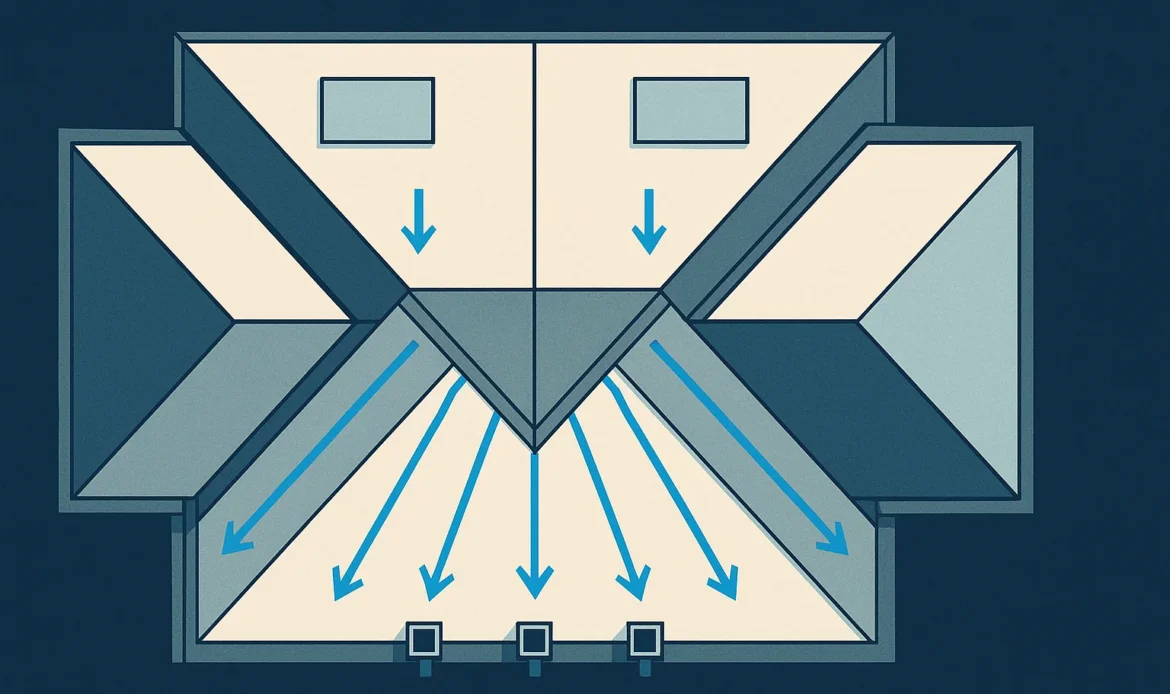
What a sewer camera actually reveals, what it cannot show, when the inspection is worth scheduling, and what you should receive when it is done.
Trenchless vs Traditional Sewer Repair: What Each Involves and When Each Fits
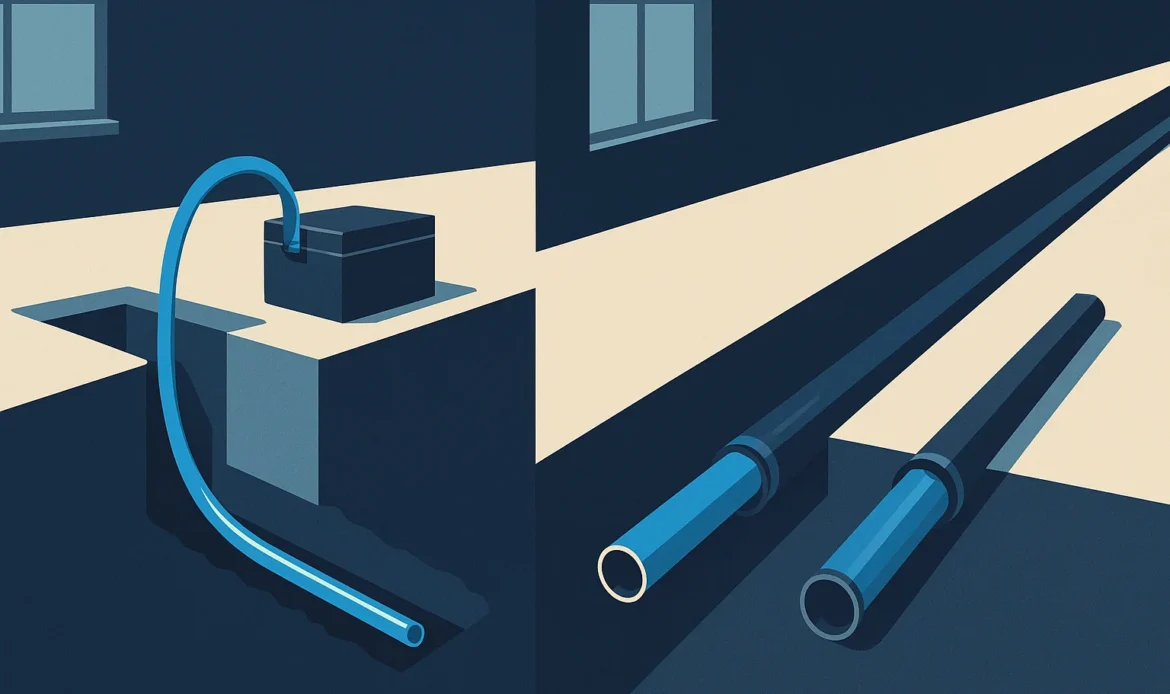
Lining, bursting, spot repair, and open cut described physically, with the conditions each one requires and a framework for reading the proposal you are handed.
Tree Roots in Sewer Lines: Why Older Columbus Neighborhoods Are Prone
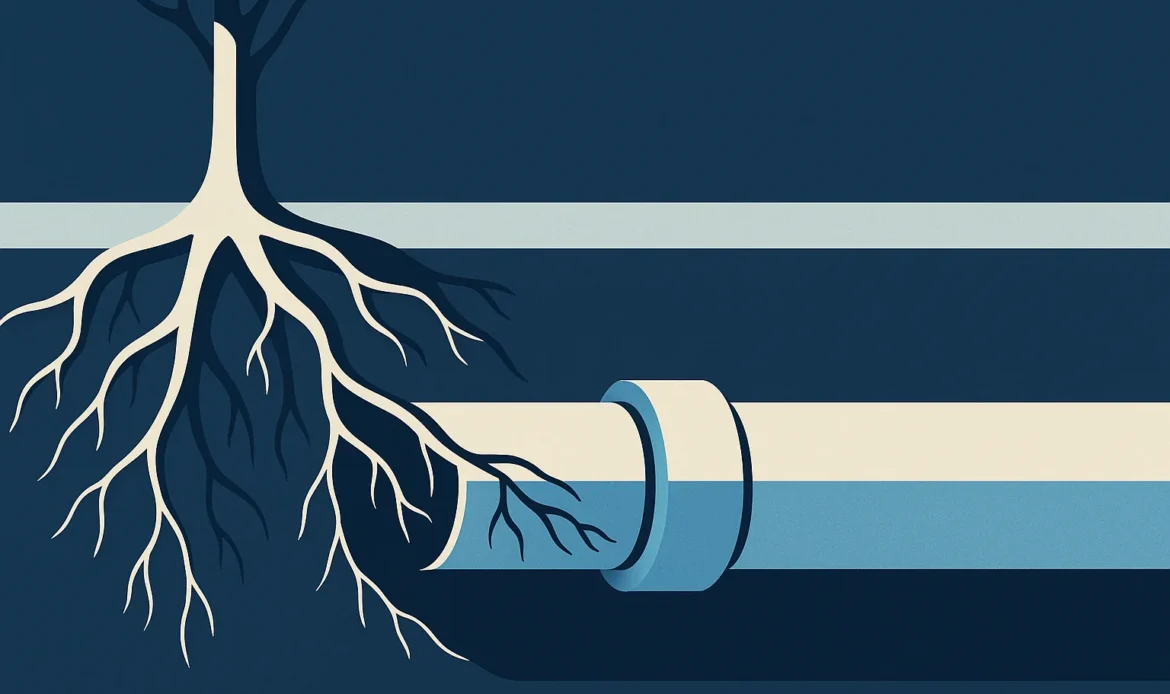
Roots do not break into sound pipe, they find existing openings. Why older Central Ohio neighborhoods concentrate the problem, and which remedies actually end it.
Sewer Line Warning Signs Every Central Ohio Homeowner Should Know
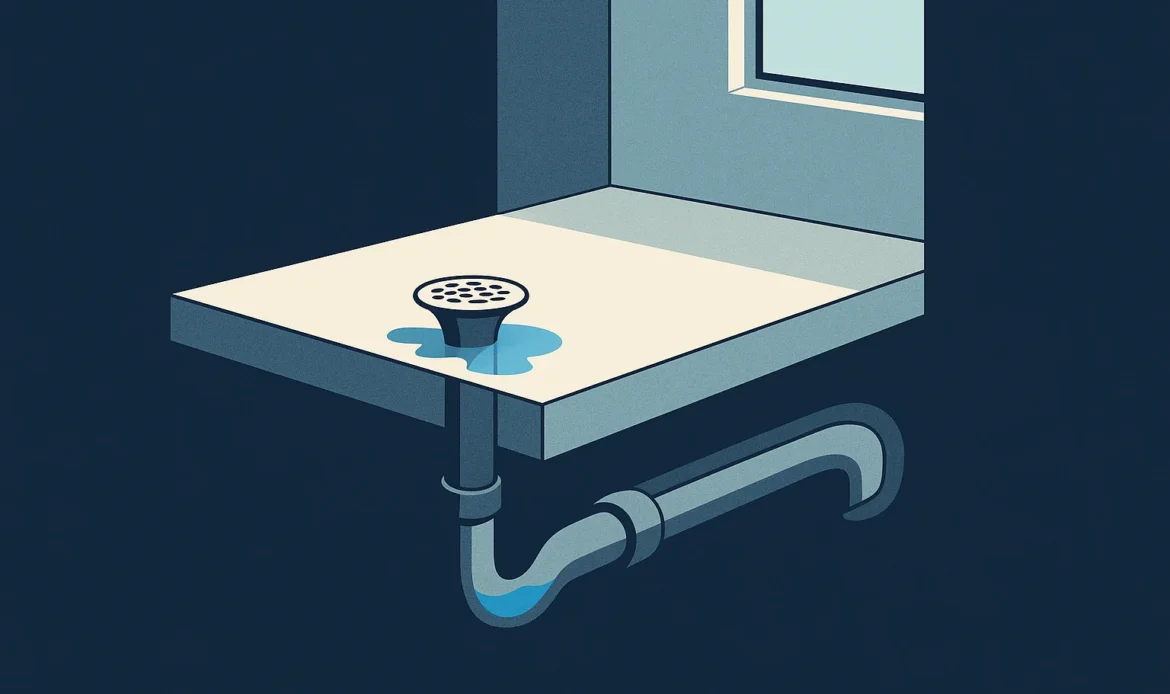
Sewer laterals rarely fail without warning. The early signals ranked by urgency, the ones people misread, and what to do in the first ten minutes of a backup.
Why Your Drains Keep Clogging: Root Causes Beyond the Clog Itself
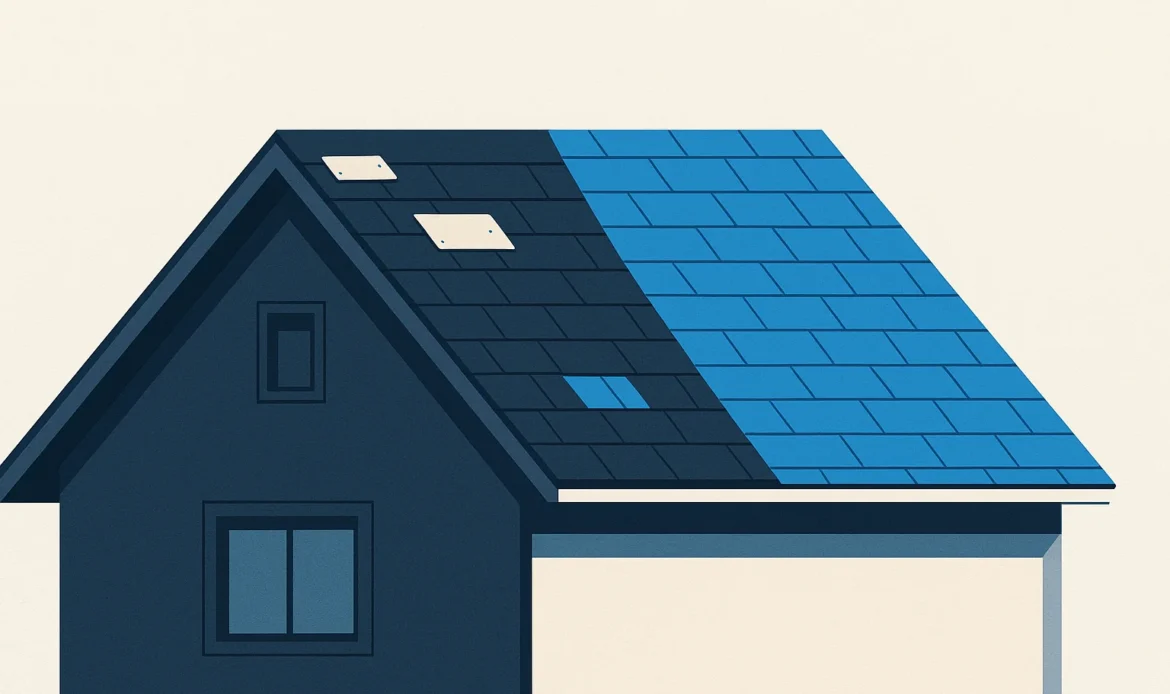
A drain that clogs repeatedly is not unlucky. It is telling you the pipe has changed. The six conditions that cause recurrence, and how to read your own pattern.
Drain and Sewer Problems in Central Ohio Homes: Causes, Fixes, and When to Call
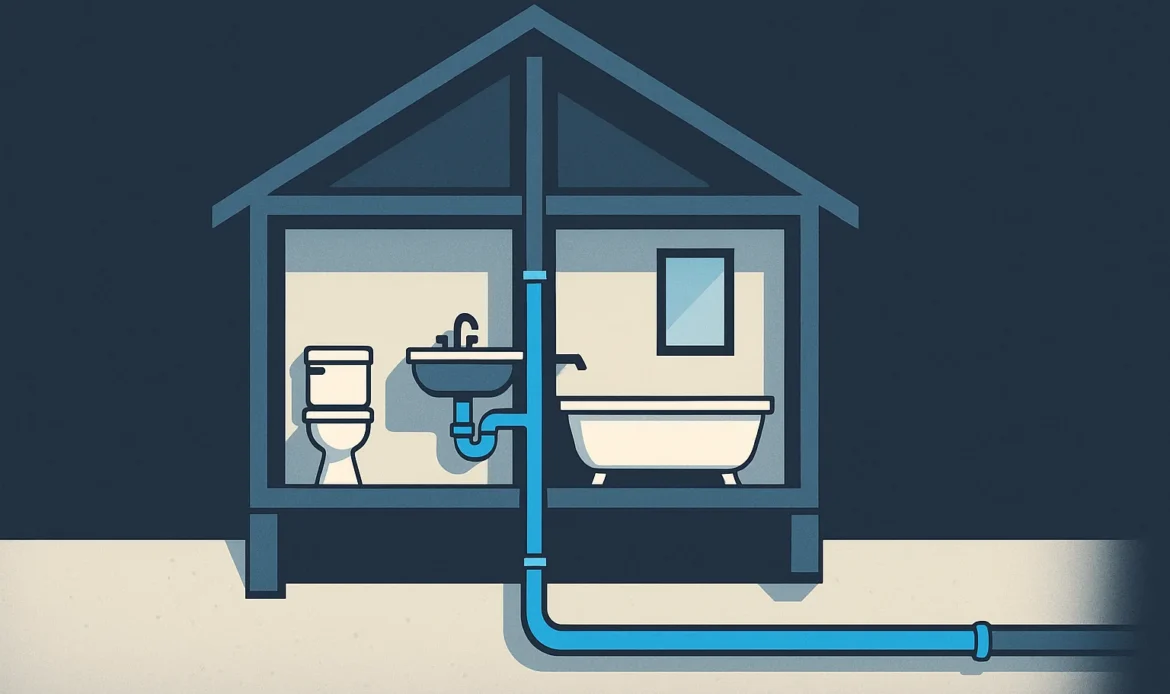
How residential drainage is laid out, how to tell a branch clog from a main line failure, what causes sewer problems in Central Ohio, and what each repair method involves.
Sump Pump Discharge: Where the Water Is Allowed to Go
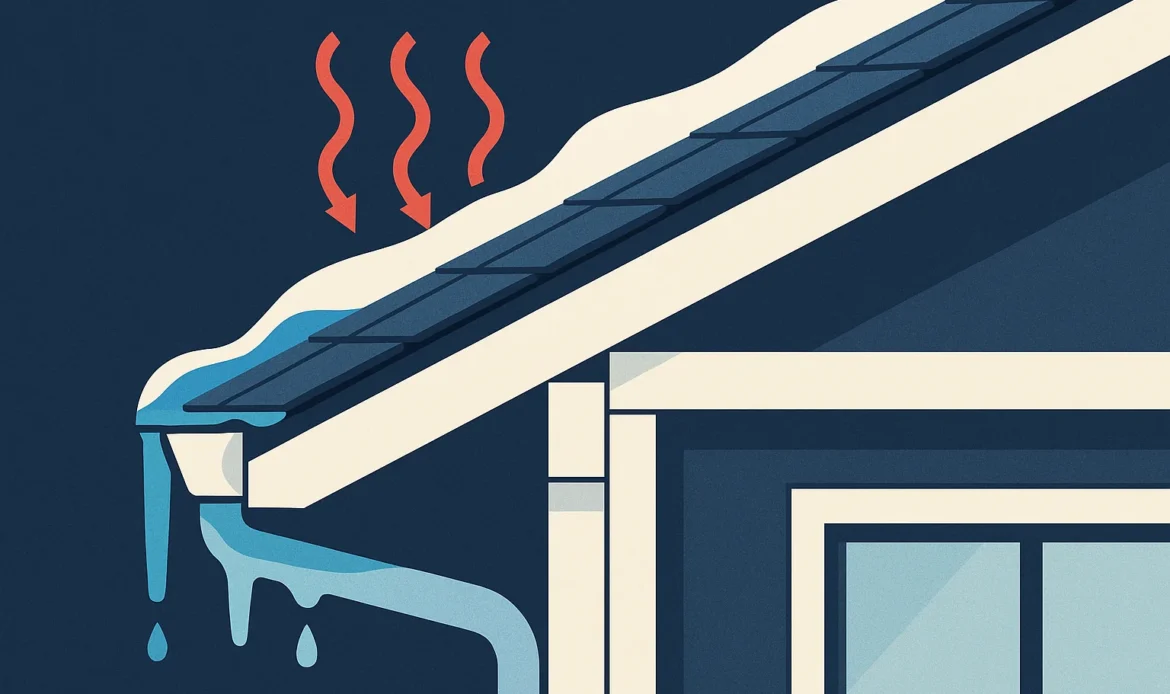
Where the water goes is a regulatory question and a drainage engineering question at the same time. Most bad sump installations fail both tests.
Sump Pumps: Sizing, Backups, and the Test You Should Run Twice a Year
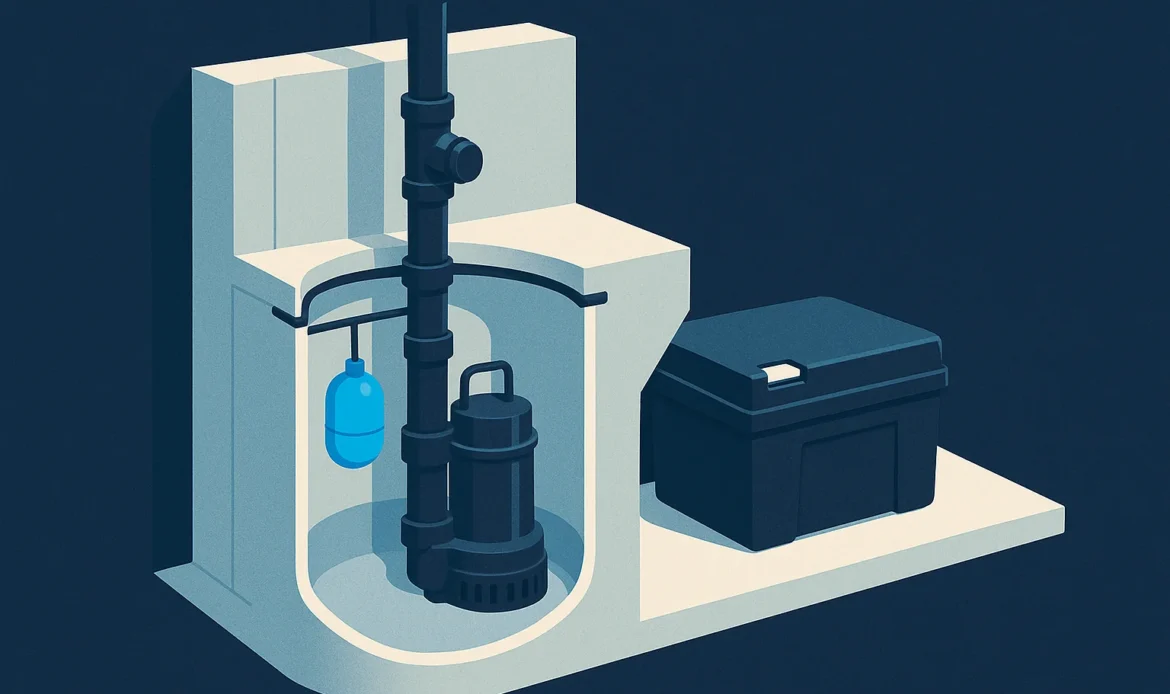
Sizing is not a horsepower question, the switch is where most failures start, and the discharge line fails every winter. How to specify a sump system and the two tests to run twice a year.