
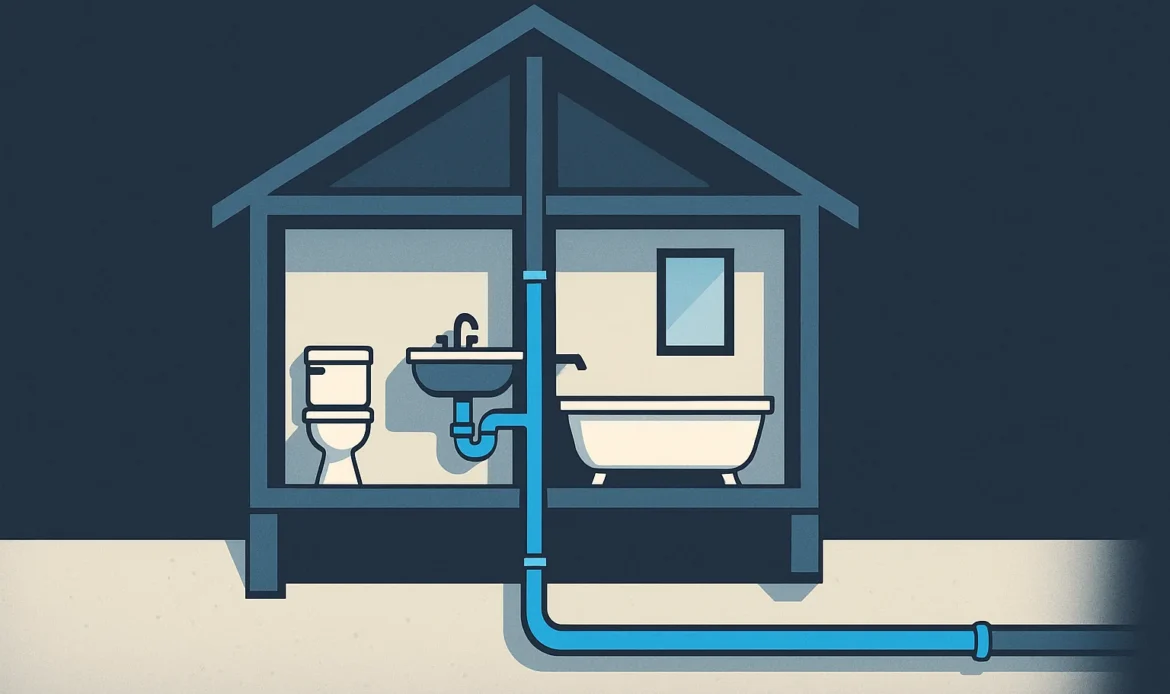
How residential drainage is laid out, how to tell a branch clog from a main line failure, what causes sewer problems in Central Ohio, and what each repair method involves.
Sump Pump Discharge: Where the Water Is Allowed to Go
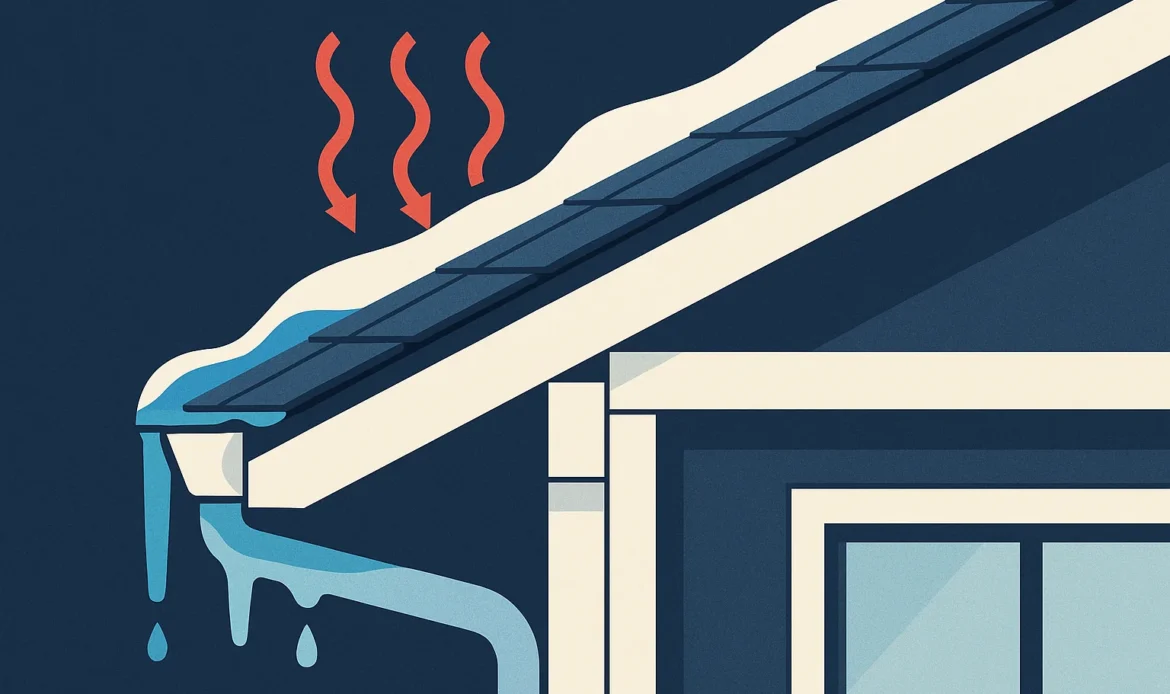
Where the water goes is a regulatory question and a drainage engineering question at the same time. Most bad sump installations fail both tests.
Sump Pumps: Sizing, Backups, and the Test You Should Run Twice a Year
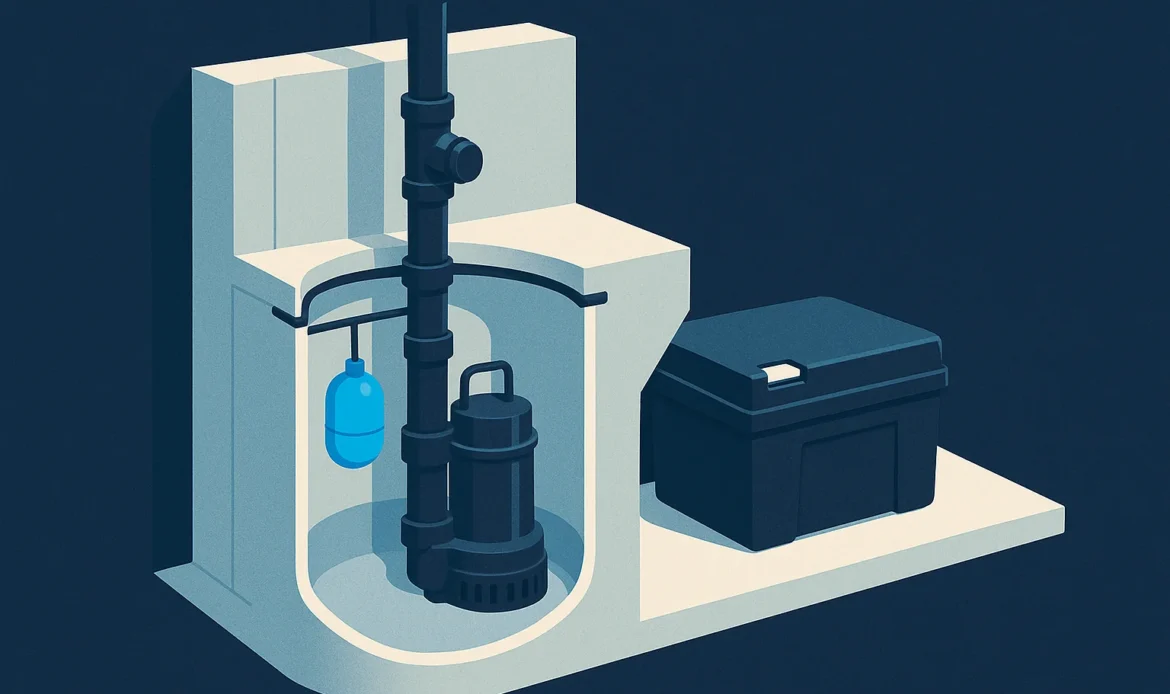
Sizing is not a horsepower question, the switch is where most failures start, and the discharge line fails every winter. How to specify a sump system and the two tests to run twice a year.
Emergency Repairs Without Panic Pricing
Emergency pricing is legitimate. Panic pricing is not. Here is how to tell the difference, what to ask on the phone, and why you should authorize stabilization tonight and decide on the repair in daylight.
Choosing a Restoration Path: Dry-Out, Repair, or Rebuild
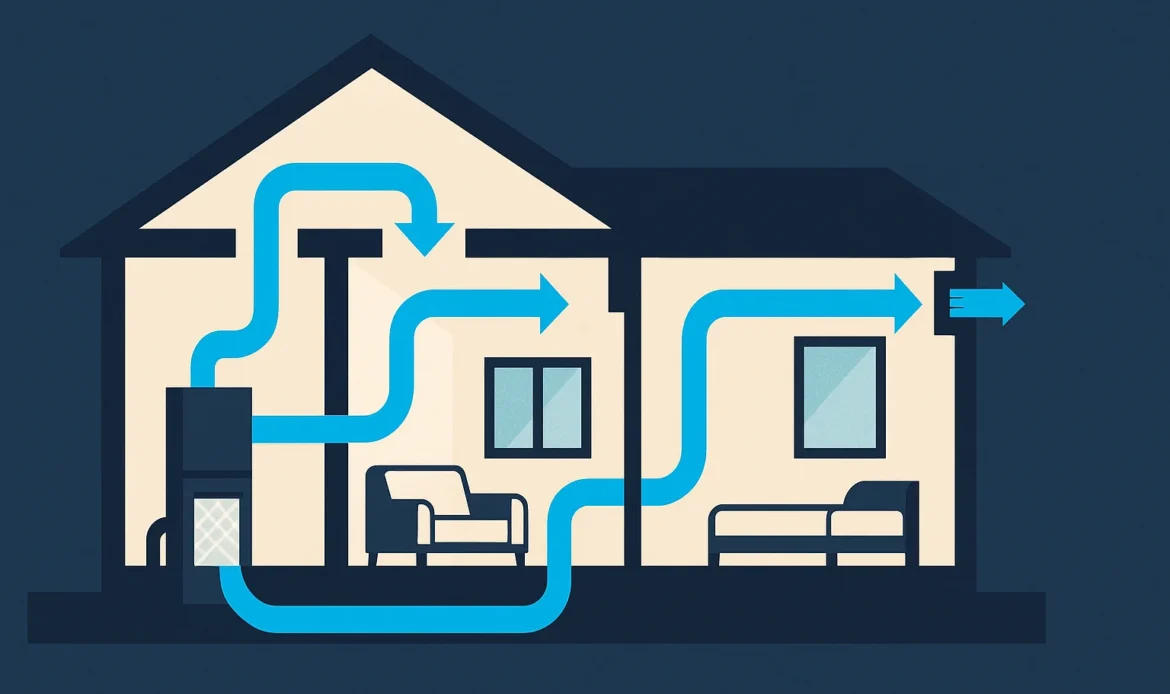
Mitigation, repair, and rebuild are three different projects with three different timelines. How to tell which one you are in and where the decision point sits.
Storm Damage Records: A Homeowner Checklist
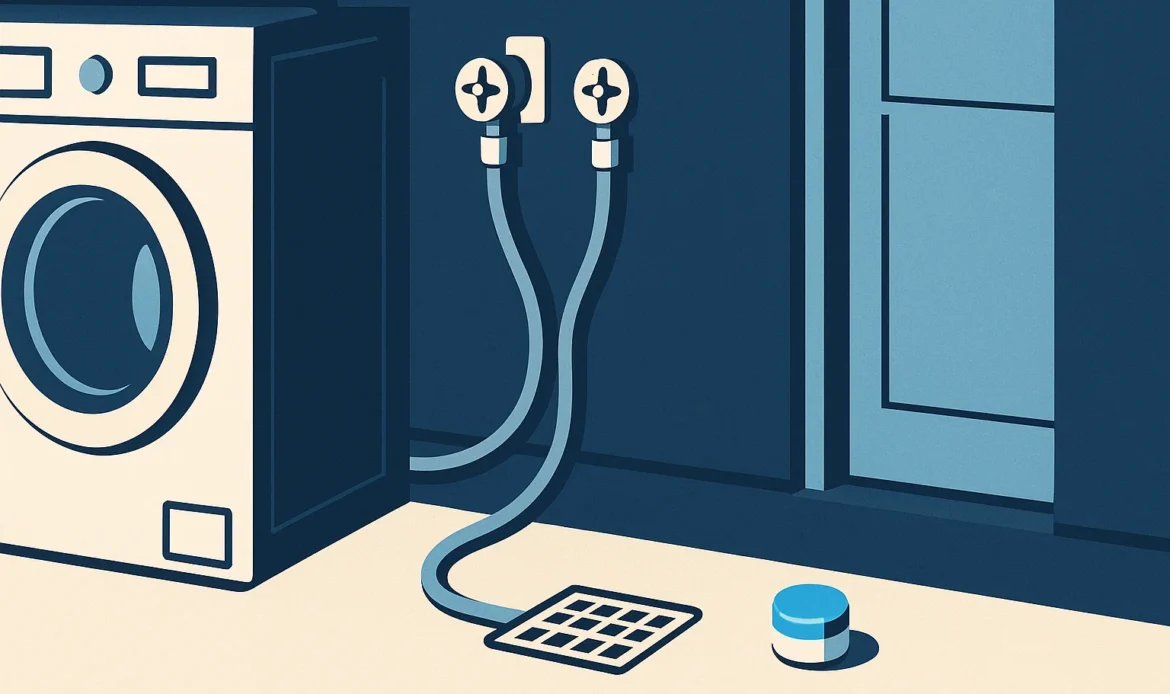
The strongest record in any storm file is created on a clear day. A pre-loss record system, a capture protocol, and the photographs that actually hold up.
Frozen Sump Discharge Lines and Winter Flooding
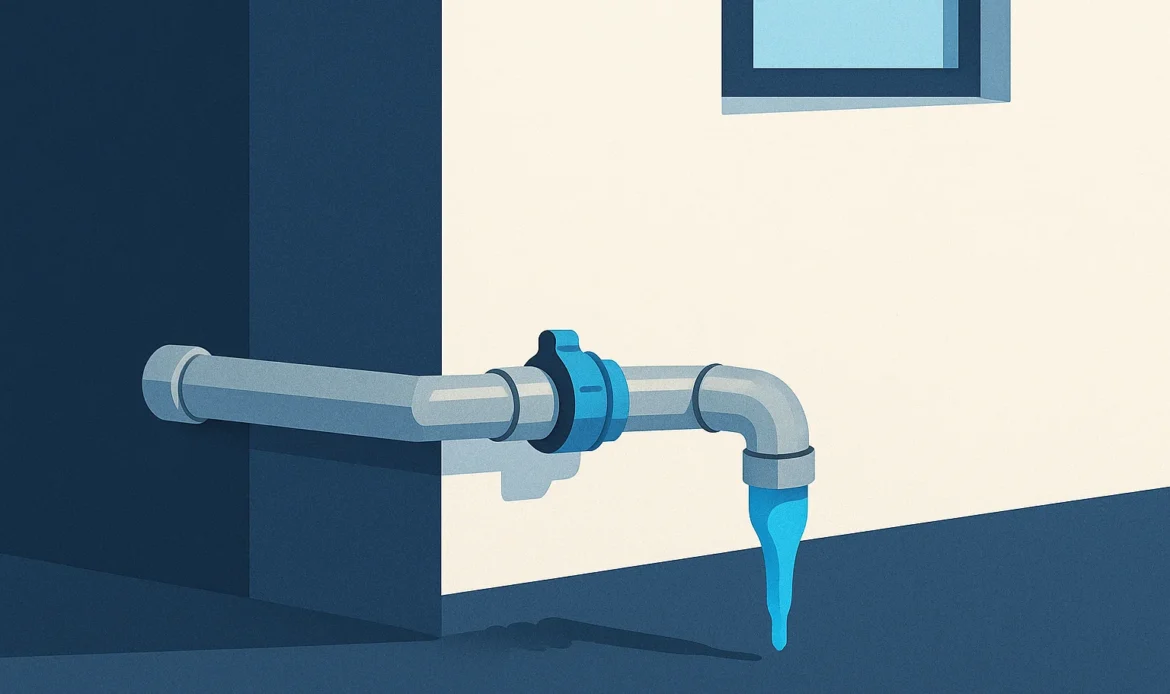
A sump pump that runs perfectly into a frozen discharge line has failed completely, and the failure is silent. Where the freeze happens and how to prevent it.
Mold After Water Damage: What the Agencies Actually Say
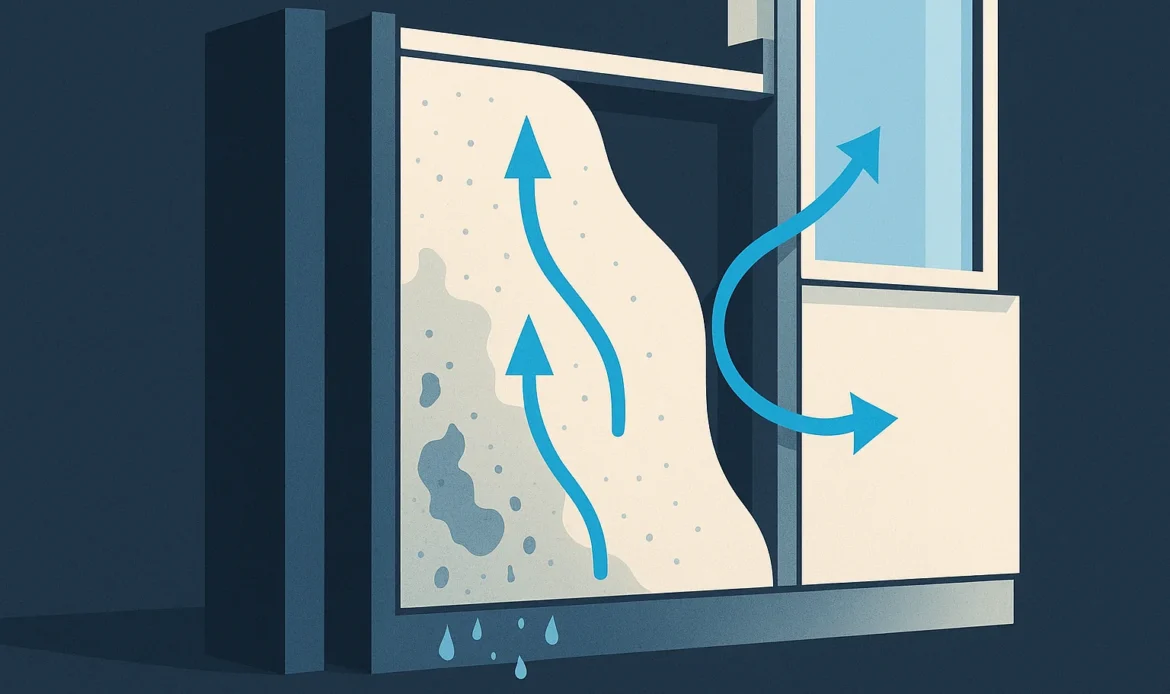
Mold is where homeowners get frightened into decisions. Here is what public health guidance actually says, and how to read a remediation scope properly.
Burst Pipe Emergency Steps: Shutoffs and Documentation
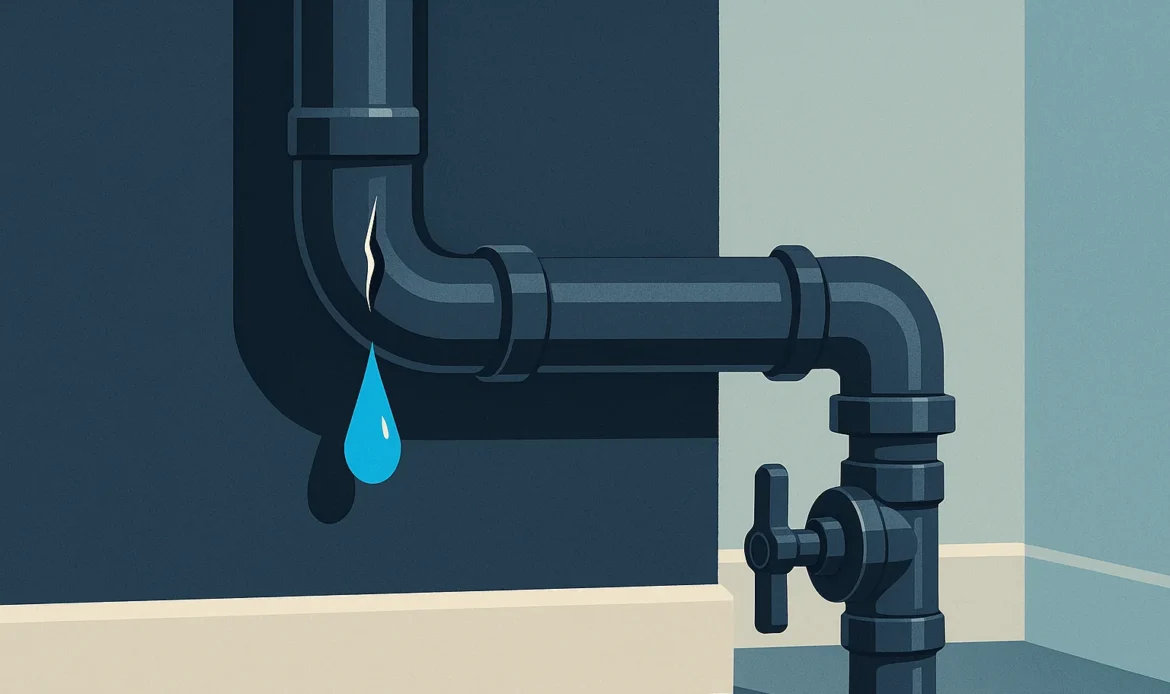
A burst supply line gives you a decision sequence, not time to research. Here is the order of operations, read before it happens rather than during.